Have you ever wondered how the water you use for your garden or lawn impacts the environment and your wallet? With increasing awareness about water conservation and technological advancements in home automation, it’s worth considering if your current irrigation system is doing the job efficiently or if it’s time for an upgrade. In this article, we’ll explore the differences between smart irrigation systems and traditional sprinkler systems, helping you determine which might be the better choice for your needs.

Understanding Smart Irrigation Systems
Smart irrigation systems represent a shift from manual control to automated efficiency in watering your outdoor spaces. They utilize modern technology to optimize water usage, ensuring that your plants receive the right amount of moisture at the right time.
How Smart Irrigation Systems Work
At the heart of smart irrigation systems are sensors and controllers that adjust watering schedules based on real-time environmental data. They can detect the moisture level in the soil, forecast weather conditions, and adjust accordingly. This means you won’t be watering your garden during a rainstorm, which is a common issue with traditional systems.
Key Components of Smart Irrigation
Let’s break down the primary components that make a smart irrigation system efficient:
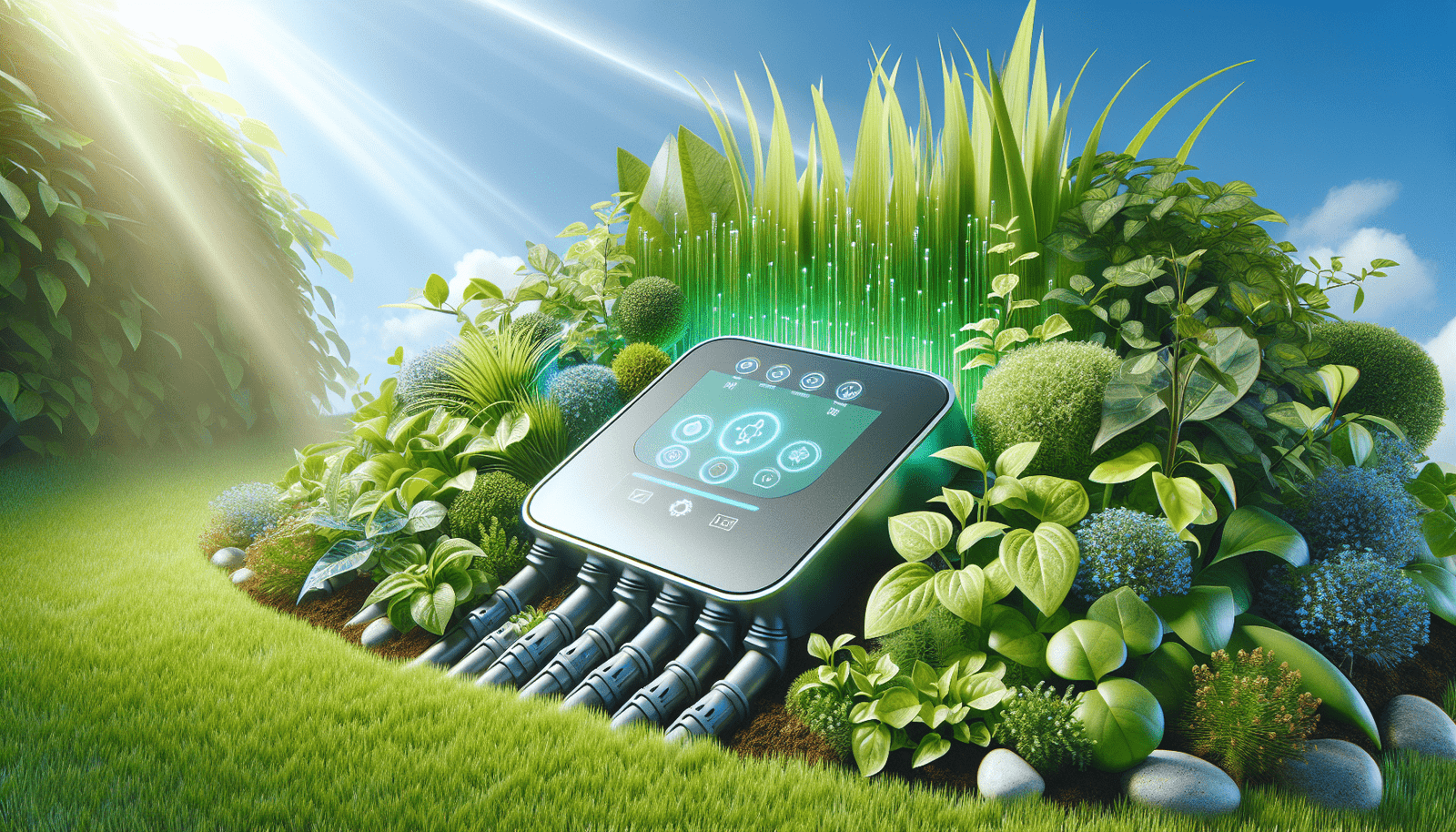
- Controllers: These act as the brain of the system. They are internet-connected and can be managed remotely via smartphones or tablets.
- Sensors: Placed in the soil, these detect moisture levels and communicate with the controller.
- Weather-Adaptive Technology: This uses local weather data to make informed decisions about when and how much to water.
- Flow Meters: These monitor water usage and alert users to any leaks or inefficiencies.
Benefits of Smart Irrigation
The main advantages of adopting a smart irrigation system include:
- Water Conservation: By delivering water efficiently and only when needed, these systems significantly reduce water wastage.
- Cost Savings: Lower water usage translates to lower utility bills. Over time, this can offset the initial investment in the technology.
- Ease of Use: Automation requires less manual intervention, allowing you more free time without neglecting your garden’s health.
- Remote Access: Being able to manage the system via a mobile app provides additional convenience and control.
Exploring Traditional Sprinkler Systems
In contrast, traditional sprinkler systems rely on preset schedules that often don’t take into account environmental changes. They are straightforward but lack the adaptability of smart systems.
Operation of Traditional Sprinkler Systems
Traditional systems usually involve a timer that is set manually. Once the timer is set, the sprinklers activate at specific times, irrespective of actual lawn conditions. While effective to a degree, this can lead to water wastage if systems are not monitored closely.
Key Features of Traditional Systems
- Timers: These are set to water at specific intervals. Adjustments must be made manually.
- Fixed Patterns: Sprinkler heads cover predetermined areas, which can result in over-watering or under-watering in certain spots.
- Simple Setup: Easier to install, needing no technological input, which is attractive for those not comfortable with tech.
Drawbacks of Traditional Systems
Some challenges you might face with traditional systems are:
- Inefficiency: The fixed nature doesn’t account for weather variations, often leading to waste.
- Higher Water Bills: Overwatering directly impacts your utility bills.
- More Maintenance: Timed systems without any adaptability require regular monitoring and adjustments, especially during seasonal changes.
Comparing Smart and Traditional Irrigation Systems
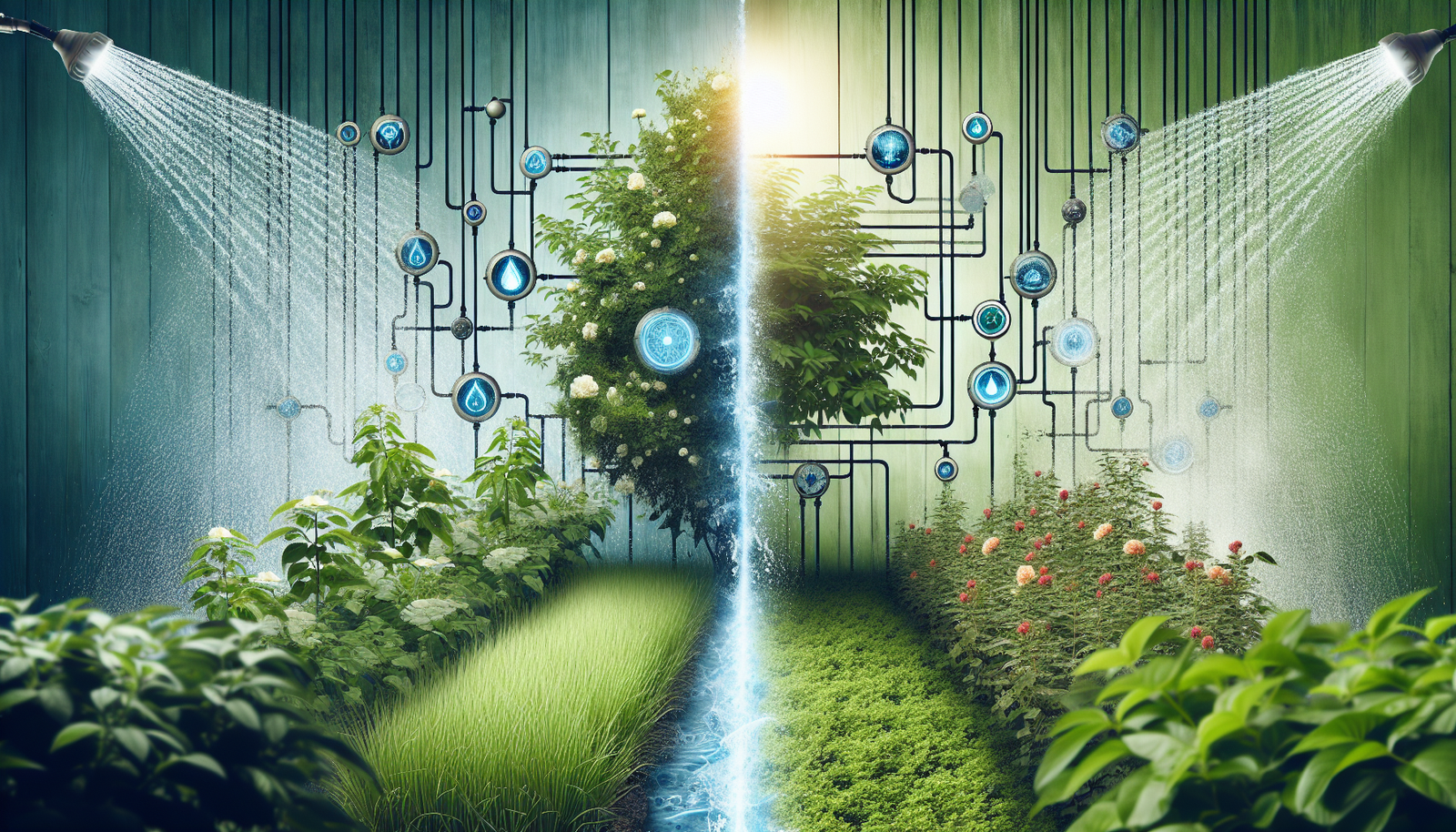
Understanding the benefits and drawbacks of both systems is crucial in making an informed decision tailored to your needs. Here’s a comparison to aid your choice:
| Feature | Smart Irrigation Systems | Traditional Sprinkler Systems |
|---|---|---|
| Water Efficiency | High | Low |
| Initial Cost | Medium to High | Low |
| Ongoing Cost | Low | High |
| Ease of Use | High (with automation) | Moderate |
| Flexibility and Control | High | Low |
| Maintenance | Low | Moderate |
Sustainability and Environmental Impact
For eco-conscious individuals, smart systems are a clear winner. They not only conserve water but help in reducing your overall ecological footprint. By preventing runoff and excessive evaporation, smart irrigation contributes positively to both local and broader ecosystems.
Evaluating Cost Factors
The cost of installing and operating these systems is a vital factor in your decision-making process.
Initial Installation Costs
Smart systems may have a higher upfront cost due to the technology and installation process involved. This typically includes the smart controller, sensors, and integration with weather data services. Traditional systems are generally cheaper to install, as they merely require a basic timer and sprinkler heads.
Long-Term Savings
While traditional systems are cheaper initially, smart systems can result in significant savings over time due to reduced water usage. These savings can help recover the initial installation cost within a few seasons of use.
Budget-Friendly Tips
If you’re budget-conscious, consider starting with a hybrid approach. A basic smart controller can often be integrated with existing traditional sprinkler systems, offering some of the smart advantages without a complete overhaul.
Steps to Upgrade from Traditional to Smart Irrigation
Making the shift from a traditional to a smart irrigation system can feel daunting, but with the right approach, it can be straightforward and rewarding.
Assessing Your Current System
Begin by evaluating your existing setup:
- Determine if parts of your system are compatible with smart controllers.
- Identify areas that are over-watered or under-watered, as these could benefit most from smart technology.
Choosing the Right Smart System
There are several smart systems available, each with unique features. Consider factors such as:
- Size of Area: Large gardens may benefit from more sensors and powerful controllers.
- Budget Constraints: Look for options that provide essential features without costly extras.
- Integration Needs: Ensure that the new system integrates well with any existing smart home technology you use.
Installation and Configuration
While some homeowners might install these systems themselves, professional installation can ensure that the system is optimized for efficiency. Once installed, configuring the system via the accompanying app or interface is simple, allowing for remote adjustments and real-time monitoring.
Technological Advancements in Smart Irrigation
The world of smart irrigation is evolving fast, with new technologies enhancing their efficiency and ease of use.
Integration with Smart Home Automation
Many smart irrigation systems now integrate seamlessly with smart home platforms like Google Home, Amazon Alexa, and Apple HomeKit. This allows for voice command activation and comprehensive automation scenarios.
AI and Machine Learning
The latest systems incorporate AI and machine learning, enabling them to adapt over time to specific garden conditions, historical weather patterns, and individual plant needs.
Future Trends
- AI-Driven Enhancements: Future systems may learn your garden’s specific water needs even more accurately.
- Improved Sensors: Advances in sensor technology will improve soil moisture detection, further conserving water.
- Sustainable Materials: Manufacturers are exploring recyclable and sustainable materials for eco-friendly installations.
Making an Informed Decision
When deciding which system is better for your needs, consider factors such as cost, convenience, environmental impact, and long-term benefits. A smart irrigation system is an excellent choice for tech-savvy homeowners willing to make an initial investment for future savings and sustainability.
Summary: Which System is Right for You?
If you value convenience, efficiency, and sustainability, a smart irrigation system is your best bet. For those who prefer simplicity and have a smaller budget, a traditional system or a hybrid approach may suffice. Remember, the ultimate goal is to ensure your lawn and garden are maintained healthily while promoting water conservation and cost efficiency.

Disclosure: As an Amazon Associate, I earn from qualifying purchases.