Are you or someone you know struggling with allergies in your home environment? Dealing with allergies can be incredibly frustrating, especially when your living space is supposed to be your sanctuary from the outside world. Luckily, with the rise of smart home technology, there are now innovative solutions designed to make your home healthier and more comfortable. From intelligent air purifiers to allergy-sensitive thermostats, smart home devices not only provide convenience and automation but can significantly improve the quality of life for people with allergies. Let’s explore how these devices work and how they might fit into your lifestyle.
Understanding Smart Home Technology
Smart home technology refers to a suite of devices or systems that connect with each other via a home network or the internet, providing more control and automation of home functions and features. By utilizing this network, these devices can often “speak” to each other, enhancing functionality and offering a streamlined user experience. For people with allergies, smart home technology can provide several key benefits by helping monitor and improve air quality, regulate temperatures, and more.
What Qualifies as a Smart Home Device?
Smart home devices are characterized by their enhanced capabilities, often including internet connectivity, data analytics, and automation. These devices can range from smart speakers and lighting systems to more specialized gadgets like air purifiers and thermostats designed to enhance air quality. When correctly integrated, they can make a home both smarter and healthier.
Cost and Value Considerations
When considering investing in smart home technology, cost and potential savings are essential factors. While the initial investment may seem high, the long-term benefits, including increased energy efficiency and improved health, can outweigh these costs. For those particularly impacted by allergies, the financial commitment can lead to increased comfort and a better quality of life.
Initial Investment vs. Long-term Savings
Initial costs can vary widely depending on the complexity and brand of the devices you choose. A smart air purifier, for example, might cost between $200 and $600, but the health benefits and energy savings it provides over time can make this a worthwhile investment. Further, many smart home devices contribute to reducing overall utility bills by optimizing energy consumption.
| Device | Initial Cost | Long-term Savings |
|---|---|---|
| Smart Air Purifier | $200 – $600 | Improved health, lower medical costs |
| Smart Thermostat | $100 – $300 | Reduced energy bills |
| Air Quality Monitor | $100 – $250 | Preventive health improvements |
Smart Devices for Allergy Management
Several smart home devices are specifically designed to aid people with allergies by monitoring and improving the indoor environment. These devices can provide real-time data and automated responses to allergens, helping minimize exposure for allergy sufferers.
Smart Air Purifiers
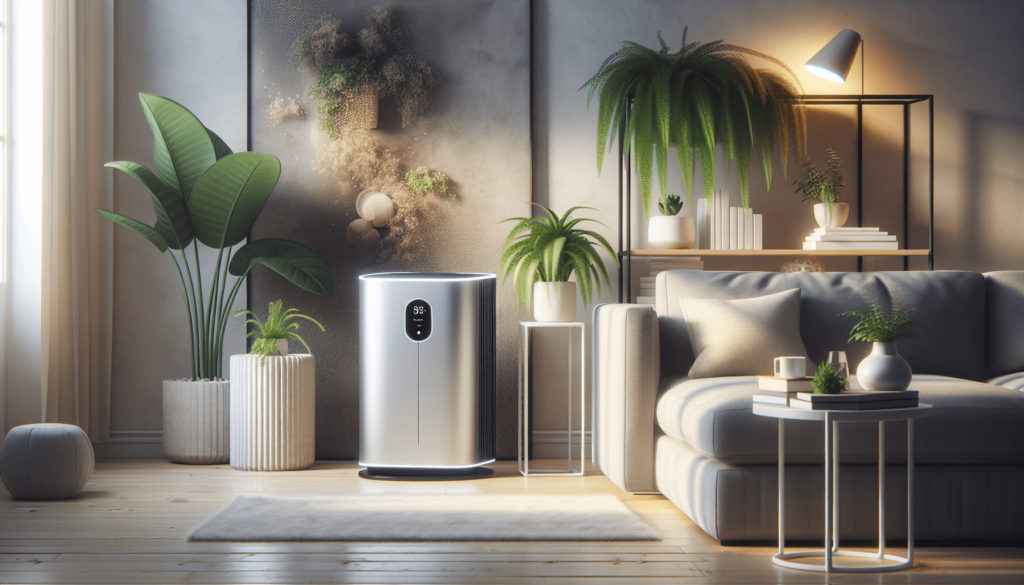
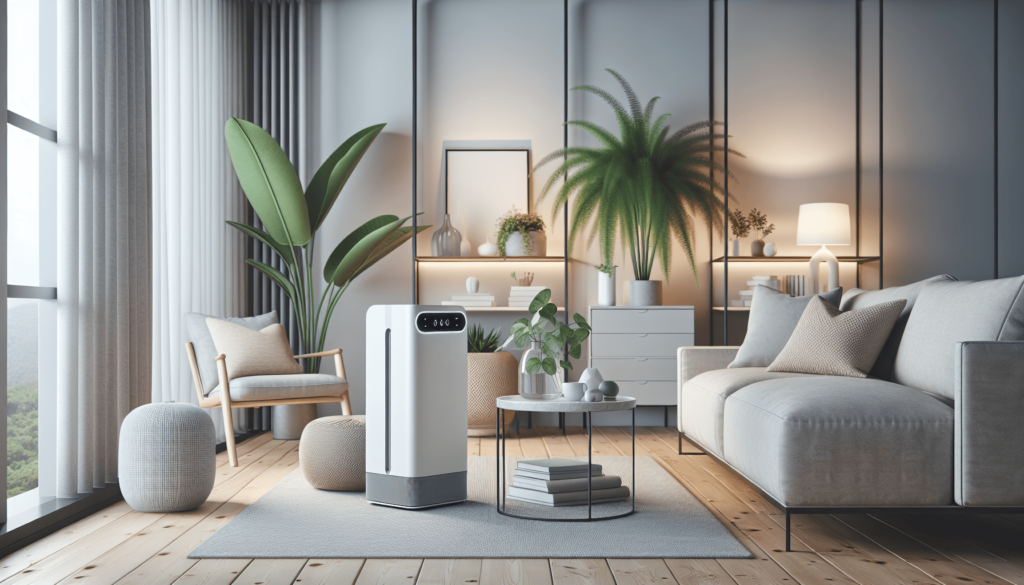
Smart air purifiers are essential for anyone looking to improve air quality. These devices can identify and remove allergens such as pollen, dust, pet dander, and smoke. By connecting to a mobile app, they can provide real-time air quality updates, allowing you to adjust settings as needed.
Air Quality Monitors
Air quality monitors are designed to track changes in air quality and alert homeowners to the presence of potential allergens or pollutants. They provide real-time data about the levels of particulates, VOCs (volatile organic compounds), and even CO2 levels. Equipped with sensors, these monitors can trigger other connected devices to take action, such as activating an air purifier when pollutant levels rise.
Smart Thermostats
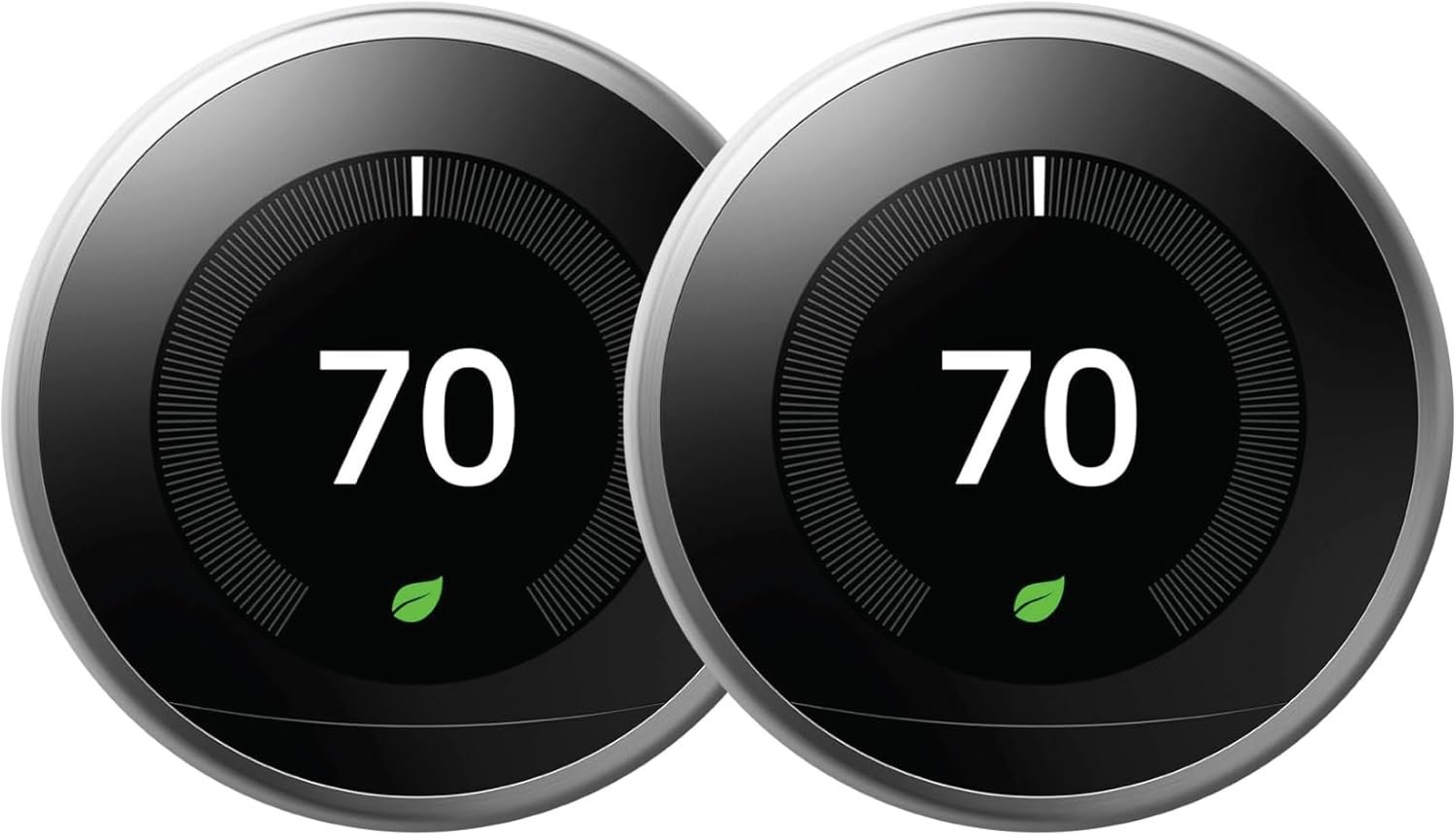
A smart thermostat can significantly benefit those with allergies by optimizing home temperatures and humidity levels, both of which play a crucial role in air quality. These devices can adjust settings automatically based on your habits and preferences, maintaining a healthier living environment.
Practical Setup Guides
Installing and integrating smart home devices to combat allergies does not need to be a daunting task. The installation steps are usually simple with most manufacturers providing detailed instructions. Here’s how you can go about setting up some essential devices.
Setting Up Your Smart Air Purifier
- Choose the Right Location: Place your air purifier in a central location or the room where you spend the most time.
- Download the App: Before setup, download the manufacturer’s app on your smartphone.
- Connect to Wi-Fi: Follow the app’s instructions to connect your air purifier to your home Wi-Fi.
- Monitor and Adjust Settings: Use the app to monitor air quality and adjust settings as needed.
Installing a Smart Thermostat
- Compatibility Check: Ensure that your home’s current HVAC system is compatible with a smart thermostat.
- Installation: Follow the device’s specific instructions to replace your old thermostat with the smart one.
- Wi-Fi Configuration: Connect the thermostat to your home Wi-Fi for remote control via a smartphone app.
- Program Settings: Set optimal temperature and humidity levels to aid with allergy management.
Security and Privacy Factors
While smart home technology offers numerous benefits, it’s important to be mindful of security and privacy. These devices collect personal data to optimize functionality, so taking measures to protect this information is crucial.
Ensuring Device Security
Ensure that all devices are secured with strong, unique passwords and that your home’s Wi-Fi network is encrypted. Regularly update device firmware and app software to protect against vulnerabilities.
Privacy Considerations
Be aware of the data collection policies of your smart devices. Understanding which information is collected and how it’s used will help manage any privacy concerns.
Energy Efficiency and Sustainability
One of the standout features of smart home devices is their ability to contribute to a more energy-efficient home. By automating and optimizing home functions, these gadgets can significantly reduce energy consumption.
Reducing Energy Consumption
Smart thermostats can cut energy bills by optimizing heating and cooling efficiency, while devices like smart lighting systems offer settings that adjust based on room usage to minimize waste. For allergy sufferers, devices that maintain air quality without continuously running can also aid in sustainability.
Compatibility and Connectivity
Smart home devices operate through various platforms and should be compatible with existing systems for optimal functionality. Compatibility ensures that your devices work harmoniously and efficiently.
Choosing Compatible Devices
Select devices that are compatible with your current smart home ecosystem or any virtual assistants you may use, such as Alexa, Google Assistant, or Apple’s Siri. This ensures seamless operation and communication between devices.
Future-Proofing and Innovation
Innovation in the smart home industry is constant, with new devices and updates enhancing capabilities. Staying informed about emerging trends ensures your smart home remains modern and efficient.
Emerging Trends in Smart Home Devices
Keep an eye out for trends such as AI integration, advanced sensors, and improved interoperability among devices. These innovations can further improve smart living, offering advanced allergy management solutions.
Conclusion
Investing in smart home devices can transform living spaces into more comfortable, healthy environments for those with allergies. Though the initial cost might be a consideration, the benefits of improved air quality and overall health can be invaluable. Smart homes are not just about convenience but are powerful tools for creating an efficient, allergy-friendly living space that can adapt to your personal needs. By understanding how these devices work and their potential impact, you can make informed decisions about integrating them into your home environment.