Have you ever wondered how to make your home smarter and more efficient without the frustration of incompatible devices? With the plethora of smart home technology available today, creating a seamless and connected living space is easier than ever. Let’s explore how smart home devices work together to enhance your everyday life.
Understanding Smart Home Technology
What is a Smart Home?
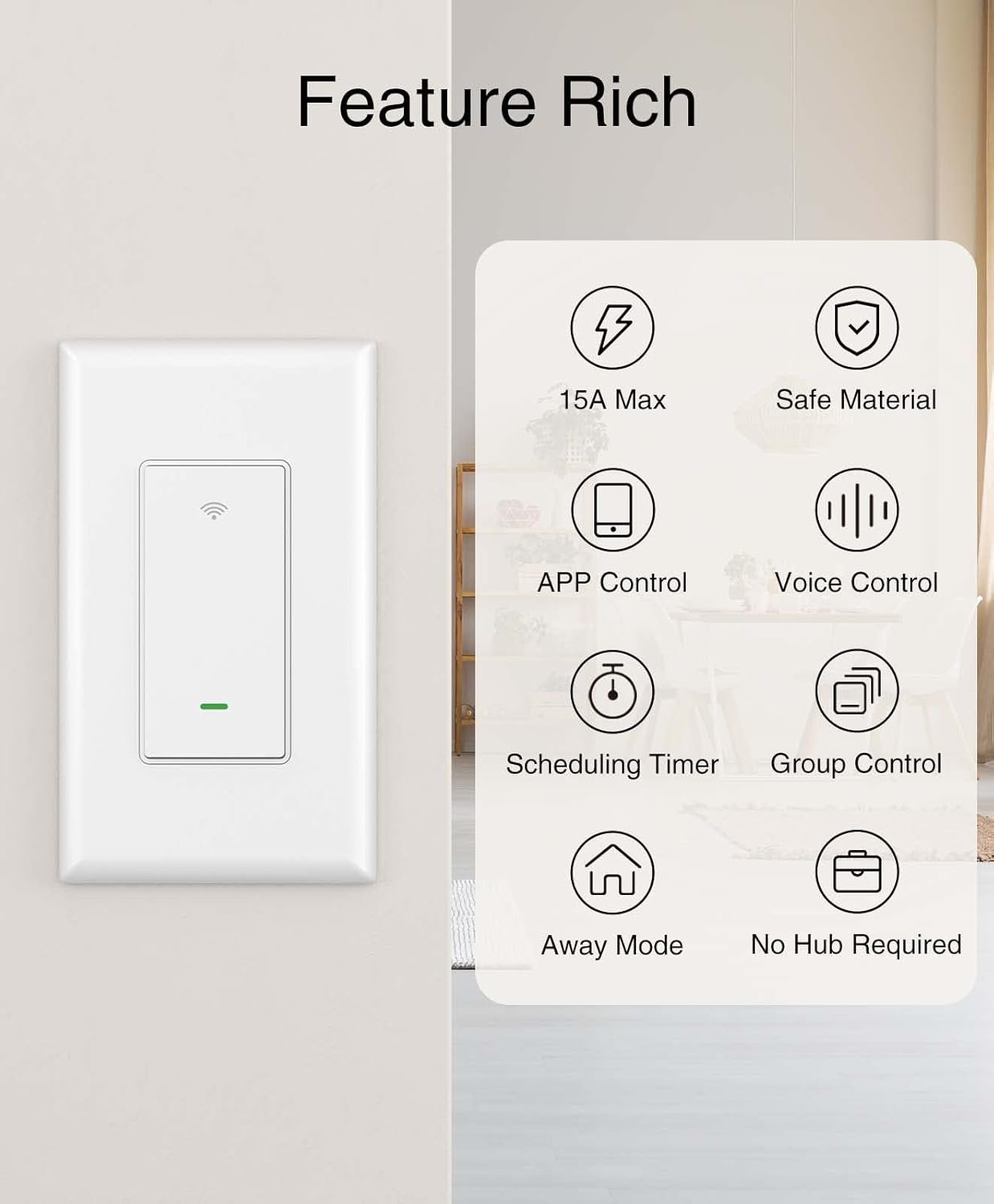
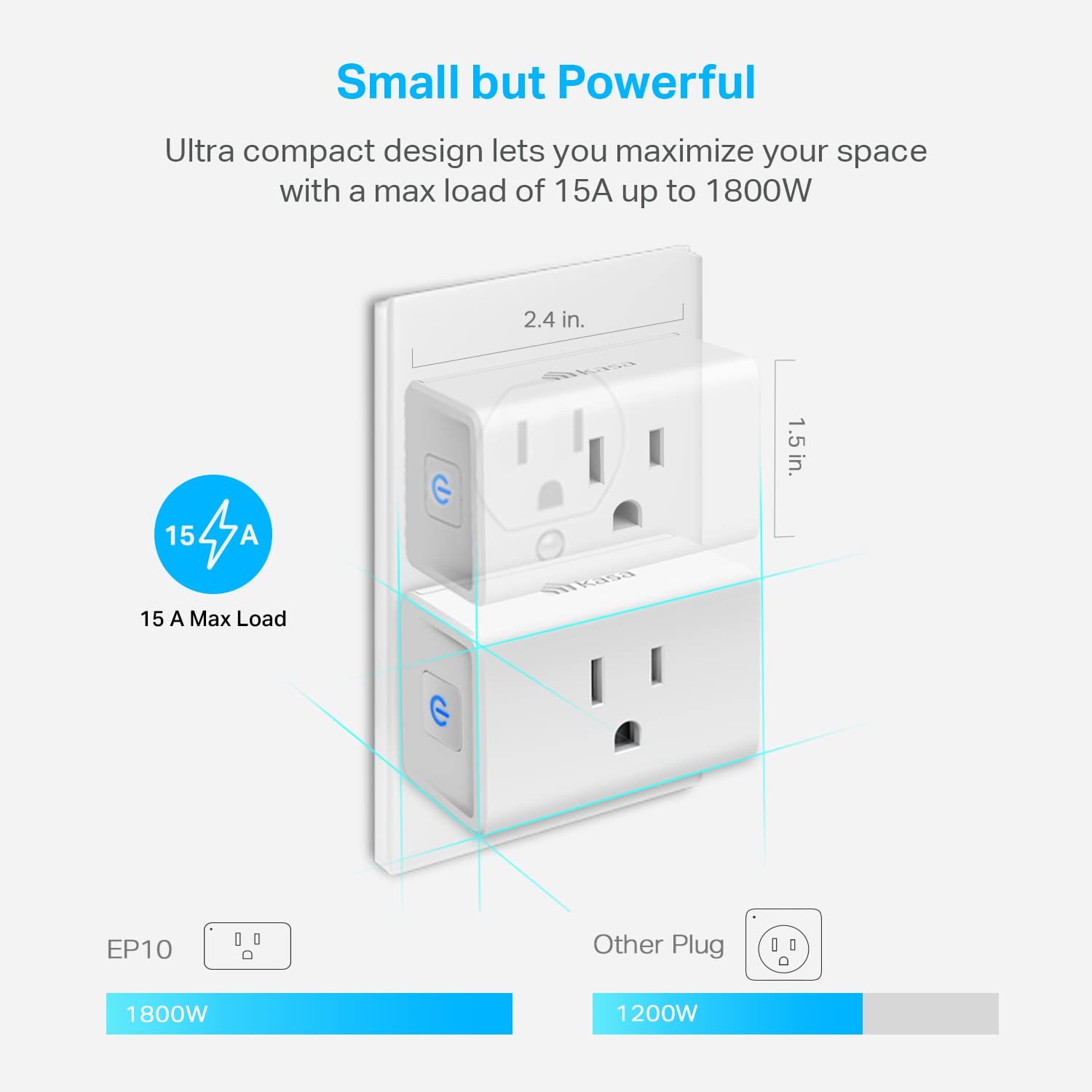
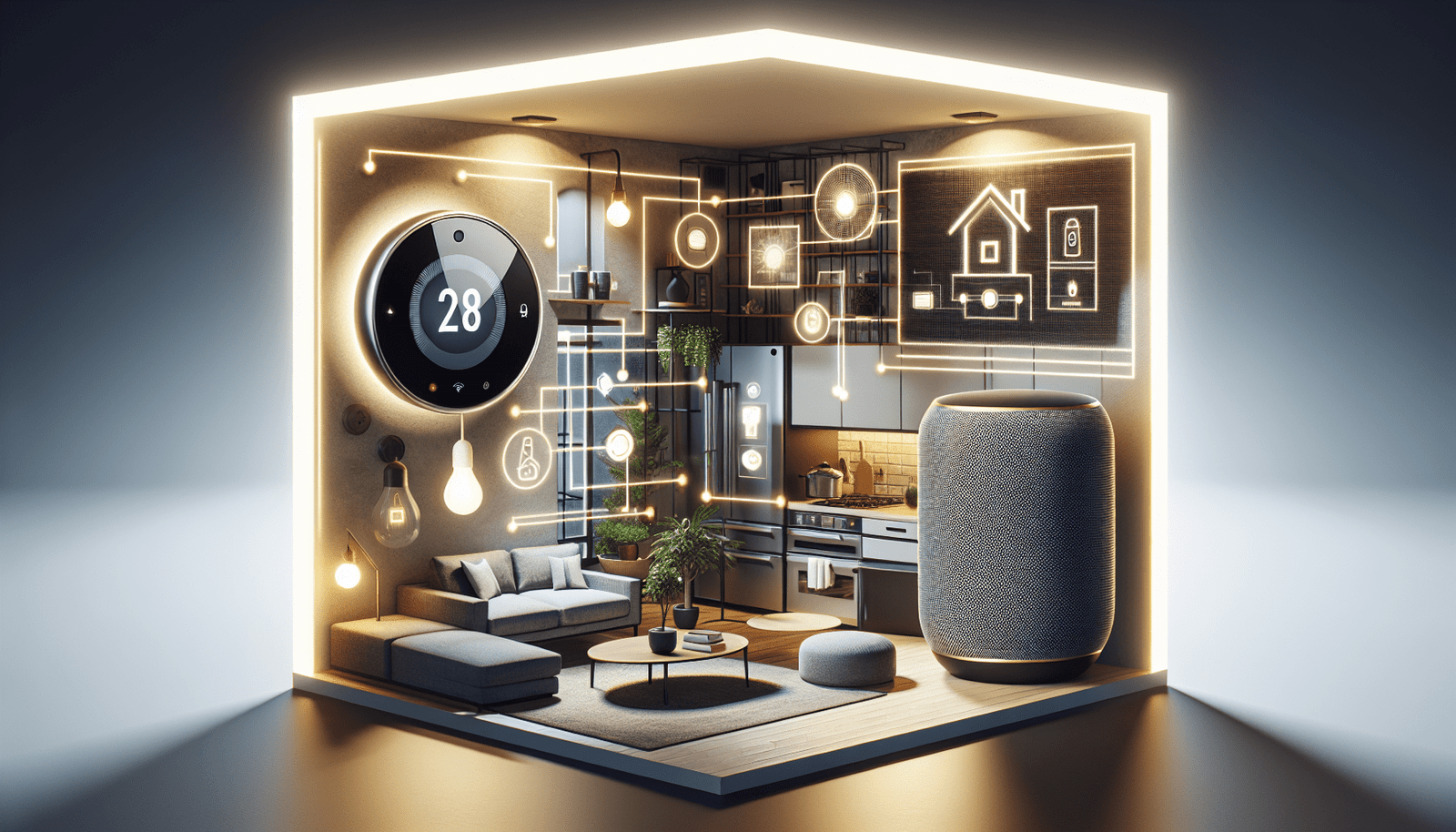
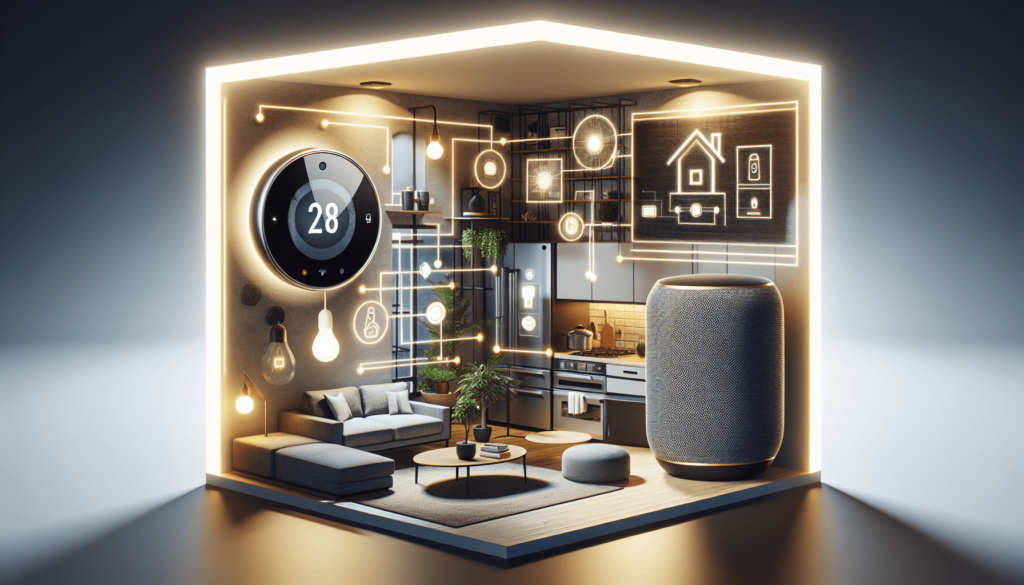
A smart home is where appliances, lighting, heating, and electronic devices are interconnected for optimal efficiency and convenience. These devices are typically connected via Wi-Fi or Bluetooth, allowing you to control them from a centralized hub or through your smartphone.
Advantages of Smart Home Devices
The benefits of integrating smart technology into your home are numerous. They offer enhanced security, increased energy efficiency, and unparalleled convenience. Smart devices can automate routine tasks, reducing your effort and allowing you to focus on more important activities.
Cost and Value Considerations
Initial Investment vs. Long-term Savings
When considering smart home technology, the initial investment can seem daunting. However, the long-term savings from reduced energy consumption and enhanced efficiency often outweigh the upfront costs.
Return on Investment
Investing in smart home technology can also increase your property value. Potential buyers are often willing to pay a premium for homes with advanced automation systems.
Comparing Smart Home Solutions
Selecting the Right Devices
Choosing the right devices depends on your specific needs. Smart home technology ranges from security systems to thermostats, each offering unique benefits.
Real-world Use Cases
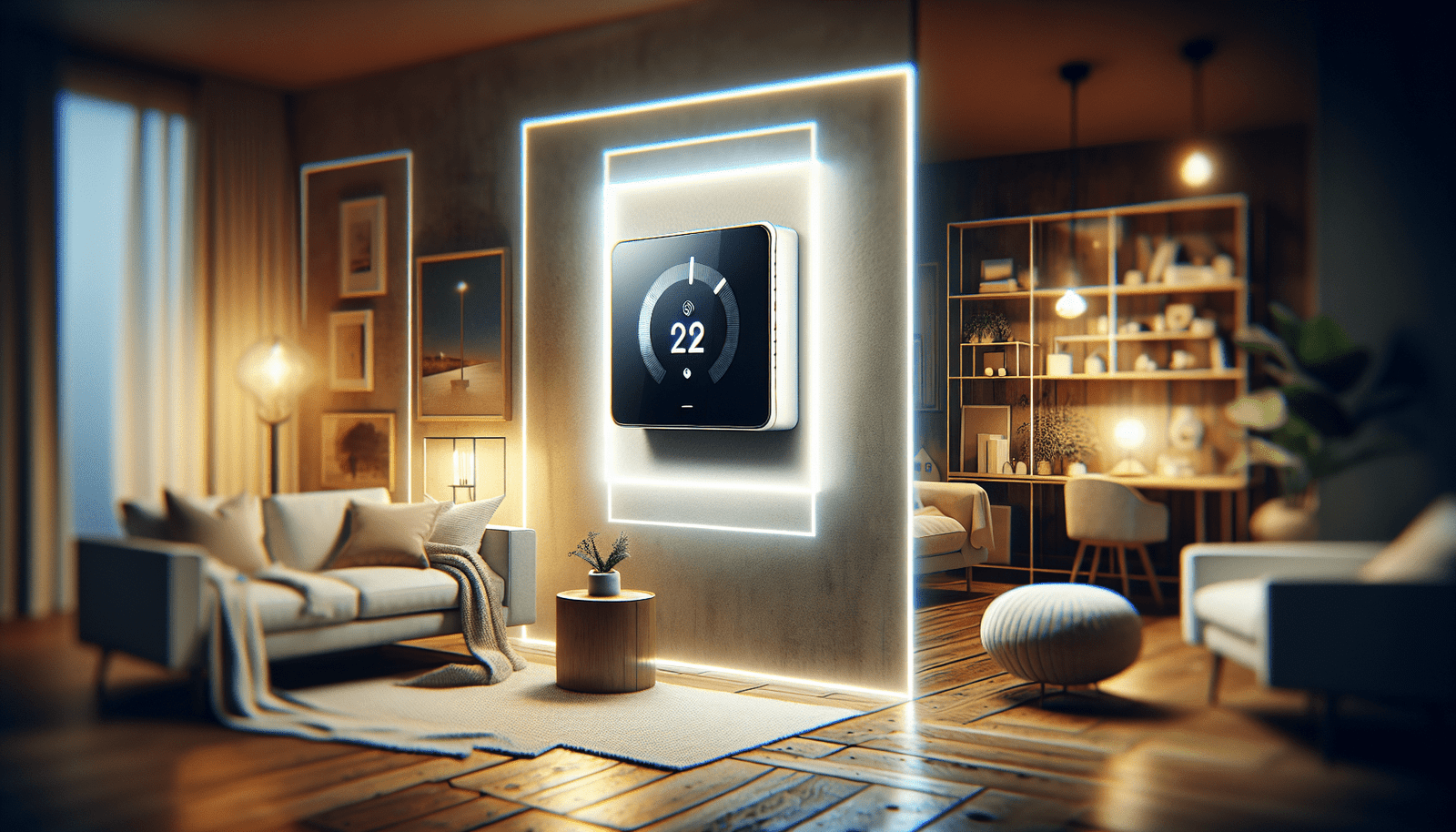
Consider a smart thermostat that adapts to your schedule and preferences, ensuring optimal energy use and comfort. Or think about smart lighting systems that can dim based on the natural light in the room, enhancing your living environment.
Practical Setup Guides
Installing Smart Home Devices
Installation varies depending on the specific device and system. Most products are designed for easy setup, often requiring just a smartphone app to get started.
Integrating Devices Into a Cohesive System
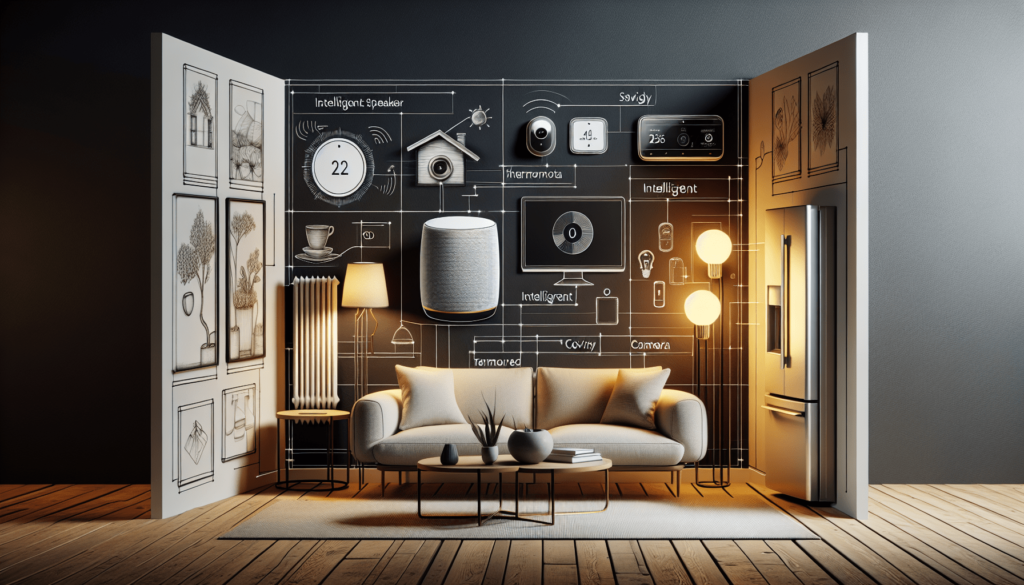
Connecting and integrating your devices to work together is crucial. Using a hub or a compatible platform like Amazon Alexa or Google Assistant can unify your devices, allowing seamless control.
Security and Privacy Factors
Potential Risks and Safety Features
While smart home devices offer many benefits, they are not without potential security risks. Ensuring your devices are updated with the latest security patches can protect against vulnerabilities.
Best Practices for Maintaining Security
Regularly updating your passwords and using strong, unique passwords for each device can further enhance your security. Enabling two-factor authentication where available is also a smart move.
Energy Efficiency and Sustainability
Reducing Energy Consumption
Smart devices can significantly impact your energy consumption. Smart thermostats and lighting, in particular, are known for their ability to reduce unnecessary energy usage.
Environmental Benefits
Reducing energy consumption not only saves money but also contributes to a more sustainable environment. As energy efficiency becomes increasingly important, smart devices offer an effective solution for conservation.
Compatibility and Connectivity
How Devices Interact
Understanding how smart devices interact with different platforms, hubs, and voice assistants is key to creating a unified system. Compatibility ensures that all your devices communicate effectively.
Table 1: Device Compatibility with Popular Hubs
| Device Type | Amazon Alexa | Google Assistant | Apple HomeKit |
|---|---|---|---|
| Smart Lights | ✓ | ✓ | ✓ |
| Smart Thermostats | ✓ | ✓ | ✓ |
| Security Systems | ✓ | ✓ | ✗ |
Choosing the Right Ecosystem
Selecting the appropriate ecosystem for your smart devices depends on your existing technologies and your personal preference. Consider the devices’ compatibility with the most popular platforms to ensure seamless integration.
Future-Proofing and Innovation
Trends and Advancements
Smart home technology continues to evolve, with innovations such as AI-driven devices and more intuitive systems leading the way. Staying informed about emerging trends ensures that your smart home remains cutting-edge.
Preparing for Future Upgrades
Consideration for future upgrades is essential when setting up your smart home. By choosing devices and systems that are easily upgradable or compatible with newer technologies, you safeguard your investment.
Addressing Common Questions and Misconceptions
Smart Homes are Only for Tech Enthusiasts
A common misconception is that smart homes are only for tech-savvy individuals. In reality, modern smart home devices are designed for ease of use, making them accessible for everyone.
Concerns about Device Interoperability
Worried about devices not working together? By choosing products within the same ecosystem or those verified for compatibility, you ensure a cohesive setup.
How Smart Home Devices Impact Energy Efficiency and Security
Ensuring Efficient Use of Resources
Smart home technology helps in efficient resource utilization, from smart meters to lighting systems, which allow more control and insight into your energy consumption.
Enhancing Home Security
Beyond energy efficiency, smart devices like security cameras and smart locks offer advanced security features, allowing you to monitor and secure your home remotely.
Is Smart Home Investment Right for You?
Evaluating Your Needs
Determining if investing in smart technology aligns with your lifestyle and needs involves evaluating your household’s specific requirements, your budget, and your environmental concerns.
Weighing Benefits Against Costs
Consider the convenience, savings, and potential property value increase against the initial investment. For most homeowners, the long-term benefits make it an attractive option.
Conclusion
Creating a connected living environment with smart home devices is not only about convenience but also about enhancing your quality of life. By carefully selecting, setting up, and integrating smart technologies, you can transform your home into a more efficient, secure, and enjoyable space. Whether you’re a tech aficionado or a homeowner looking to explore new technologies, smart home devices offer a world of opportunities to enrich your daily life.