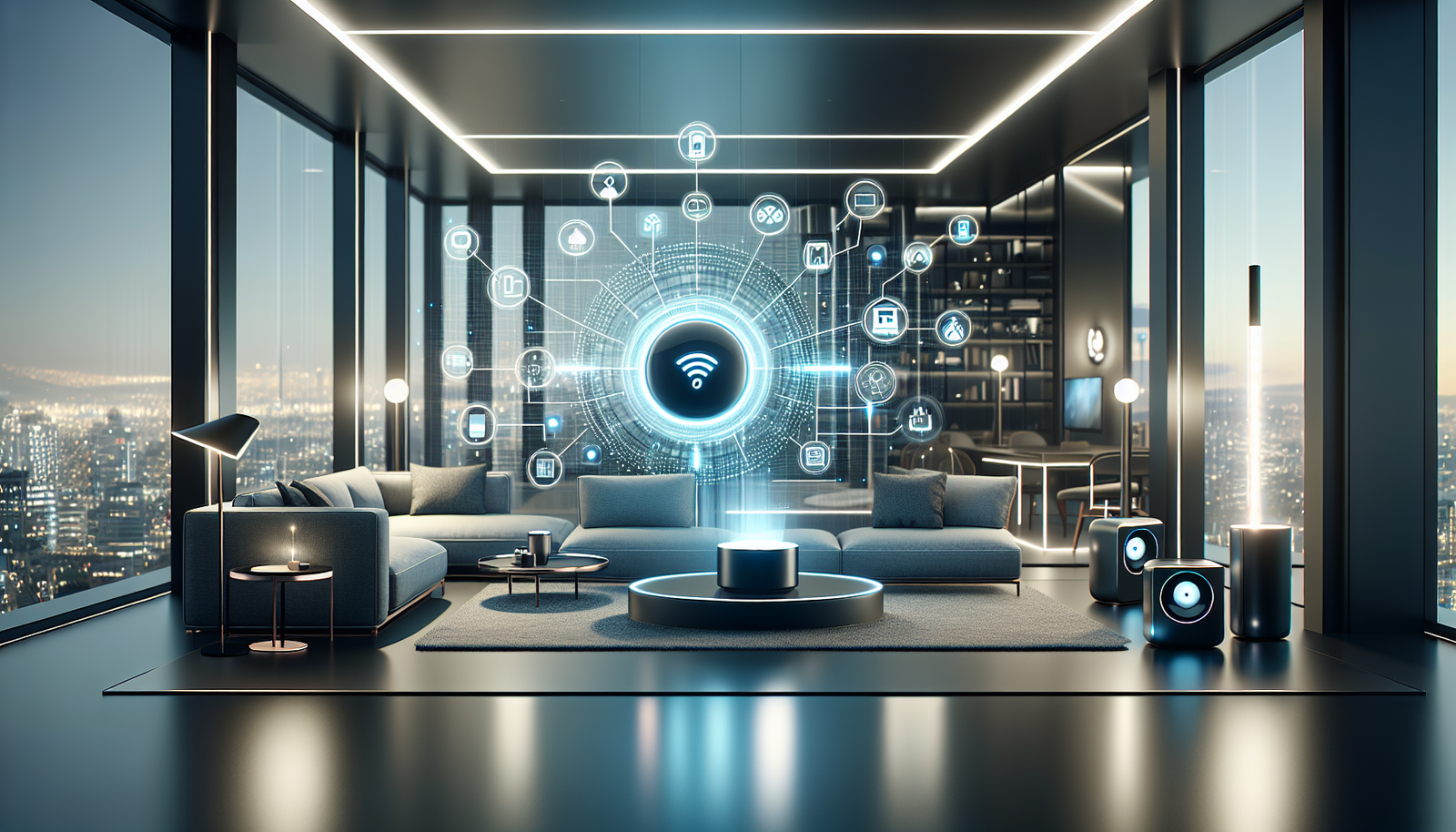
Have you ever wondered how smart home technology can transform your daily routine and elevate your living space? In today’s world, where technology continues to evolve at a rapid pace, the concept of a smart home has become increasingly appealing. With the integration of smart home devices that are compatible with Alexa, Google Assistant, and Apple’s Siri, creating a more connected and efficient living environment is now within reach for everyone. Whether you’re a tech enthusiast, a first-time buyer, or someone interested in energy efficiency and security, this article will help you navigate the world of smart home devices.
What is a Smart Home?
A smart home uses internet-connected devices to enable remote management and monitoring of systems and appliances such as lighting, heating, and security. This technology brings convenience right at your fingertips, allowing you to control these systems using your voice, smartphone, or even automation based on your routines. By understanding what a smart home entails, you can begin to appreciate the potential improvements in your living space’s efficiency and comfort.
Smart Home Devices: The Basics
Smart home devices encompass a variety of technologies designed to simplify and streamline your life at home. These can include smart lighting, thermostats, locks, and cameras, among others. With these devices, you can, for example, adjust your thermostat while on your way home from work, ensure your lights are off while you’re away on vacation, or even see who’s at your door without having to leave the couch. Each device offers the capability to interact with your home environment in ways that traditional appliances can’t.
Costs and Value Considerations
One of the primary considerations when upgrading to a smart home is cost. It’s essential to assess both the initial investment and the potential long-term savings from increased efficiency and utility management.
Initial Installation Costs
Costs can vary significantly depending on the types and number of devices you choose to install. A smart thermostat might cost around $200, whereas smart lighting solutions can range anywhere from $50 to $200 per bulb depending on features. When budgeting, it’s crucial to consider whether you need professional installation or if a DIY approach is feasible.
Long-term Savings and Returns
While the up-front cost can seem daunting, smart home devices often lead to savings over time. For instance, smart thermostats can reduce energy consumption by regulating heating and cooling based on occupancy and preferences, potentially saving up to 10-15% on utility bills annually. Moreover, smart lighting systems not only use less electricity but can also increase the longevity of bulbs compared to traditional ones.
By reducing energy usage and improving home efficiency, smart devices offer returns on investment that often justify the initial outlay, especially when combined with increased property value for real estate investors.
Comparisons and Examples of Smart Home Solutions
Exploring specific devices and solutions can help clarify how they might fit into your home. Here we’ll compare popular devices across various categories to give you a well-rounded understanding.
Smart Speakers and Displays
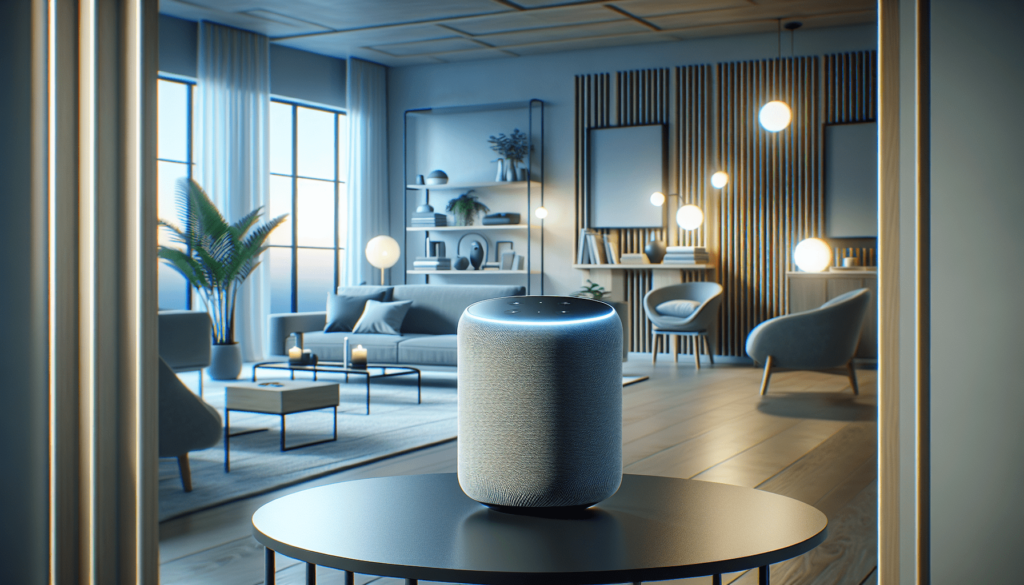
Smart speakers like Amazon Echo, Google Nest Hub, and Apple HomePod Mini serve as the hubs for voice control and information. They can play music, control other smart devices, answer questions, and much more.
| Feature | Amazon Echo | Google Nest Hub | Apple HomePod Mini |
|---|---|---|---|
| Voice Assistant | Alexa | Google Assistant | Siri |
| Screen Availability | No | Yes | No |
| Audio Quality | Good | Moderate | Excellent |
| Privacy Controls | Microphone on/off | Voice Match | Personalized Siri |
Smart Thermostats
Smart thermostats like the Nest Learning Thermostat and the Ecobee SmartThermostat are game-changers for home efficiency. They learn your schedule and preferences, automatically adjusting to save energy.
Smart Lighting
Philips Hue and Wyze Bulbs are popular choices in smart lighting, providing customizable colors, brightness, and schedules. They can be controlled via apps or voice, creating the perfect ambiance for any mood or occasion.
Setting Up Your Smart Home
Once you’ve selected the devices that appeal to you most, the next step is setting them up. While it might seem complicated initially, getting started can be straightforward with the right guidance.
Step-by-Step Setup Guides
- Choose Your Platform: Decide whether you’ll primarily use Alexa, Google Assistant, or Siri. Most devices work with all, but some have optimized features for specific platforms.
- Set Up Your Hub: If using multiple devices, a central hub like Amazon Echo or Google Nest can simplify management.
- Install Devices: Depending on the type, installation can be as simple as plugging in and connecting via an app (for a smart plug) or more involved with wiring (for a smart thermostat).
- Configure Settings: Use the device app to connect to your Wi-Fi network, set preferences, schedules, and automation.
- Integrate with Other Devices: Sync your devices to work together. For instance, configure your lights to dim when your smart lock is activated at night.
Security and Privacy Factors
As with any technology, smart home devices carry potential security and privacy risks. It’s critical to implement best practices to safeguard your system and personal data.
Potential Risks
Smart home devices are vulnerable to hacking and unauthorized access if not properly secured. Infiltrators can gain control over your systems or access sensitive data if security is insufficient.
Safety Features and Best Practices
- Secure Your Network: Use strong, unique passwords for your Wi-Fi and device accounts.
- Enable Two-Factor Authentication: If available, this adds an extra layer of security.
- Regularly Update Firmware: Ensure your devices have the latest security updates and patches.
- Manage Data Permissions: Check what data each device collects and manage accordingly to maintain privacy.
By being proactive with these practices, you can enjoy the benefits of smart home devices while keeping your home secure.
The Role of Smart Devices in Energy Efficiency and Sustainability
A significant advantage of smart homes is their ability to reduce energy consumption and promote sustainable living. Understanding how these devices contribute to energy efficiency can motivate environmentally conscious choices.
Reducing Energy Usage
- Smart Thermostats: Adjust temperatures based on your schedule and presence, reducing wasted energy.
- Smart Lights: Automatically turn off when no one is in the room, minimizing electricity use.
- Energy Monitoring: Some smart plugs and power strips provide real-time data on energy consumption, helping you identify areas for improvement.
Enhancing Sustainability
Energy-efficient smart devices not only lower utility bills but also contribute to a reduced carbon footprint, aligning with sustainable living goals. By conserving resources, they support a more environmentally friendly lifestyle.
Compatibility and Connectivity: Making it All Work Together
When venturing into smart home technologies, ensuring device compatibility is essential for a seamless experience. Most devices today boast compatibility with major platforms like Alexa, Google, and Siri.
Interactions with Various Platforms and Hubs
- Alexa: Works with a broad range of devices, benefiting users who prefer extensive options and integrations.
- Google Assistant: Offers robust integration with Google services, appealing to those who are already within the Google ecosystem.
- Siri: Features deep integration with Apple’s ecosystem, perfect for users who depend heavily on Apple products.
Creating a Unified Smart Home Ecosystem
Consider using a universal hub if you have devices from different manufacturers. SmartThings or Hubitat, for example, allow multiple protocol integrations, enhancing how your devices work together, regardless of brand.
Future-Proofing and Innovation in Smart Home Technology
Technology never stands still, and smart homes are no exception. Keeping an eye on future trends and innovations can ensure your home stays up-to-date and maximizes its potential.
Emerging Trends and Advancements
- Artificial Intelligence: Future smart homes will likely incorporate more AI, leading to even smarter customization and predictive actions.
- Expanded Voice Control: As voice assistants become more sophisticated, expect more nuanced and context-aware interactions.
- Integration of IoT (Internet of Things): The growing number of IoT-enabled devices ensures even more integration opportunities, allowing diverse devices to communicate seamlessly.
By staying informed and adaptable, you can ensure your smart home remains on the cutting edge, providing comfort, security, and efficiency in the years to come.
Evaluating If Smart Home Investments Align with Your Needs and Budget
Consider if the convenience, energy savings, and enhanced security provided by smart home technology align with your lifestyle and financial goals. Smart homes not only offer practical benefits but also can increase property value, making them a viable long-term investment.
In conclusion, integrating smart home devices compatible with Alexa, Google, and Siri brings about a more connected and seamless living experience. Whether you’re driven by the allure of cutting-edge technology, the promise of energy savings, or heightened security, these devices offer tangible benefits that cater to a modern lifestyle. By considering initial costs, long-term value, security, and future trends, you can make informed decisions to transform your home into an innovative, efficient, and enjoyable space.