Have you ever wondered how integrating smart technology into your home can boost your productivity and focus? In today’s fast-paced world, where distractions abound and time is often a scarce resource, smart home devices offer a unique opportunity to streamline your environment and optimize your daily routine. Whether you’re a tech enthusiast keen on integrating the latest gadgets, a renter seeking non-permanent solutions, or a homeowner contemplating whether smart upgrades are worth the investment, this guide will help illuminate how these devices can be a boon to your productivity and focus.
What is a Smart Home?
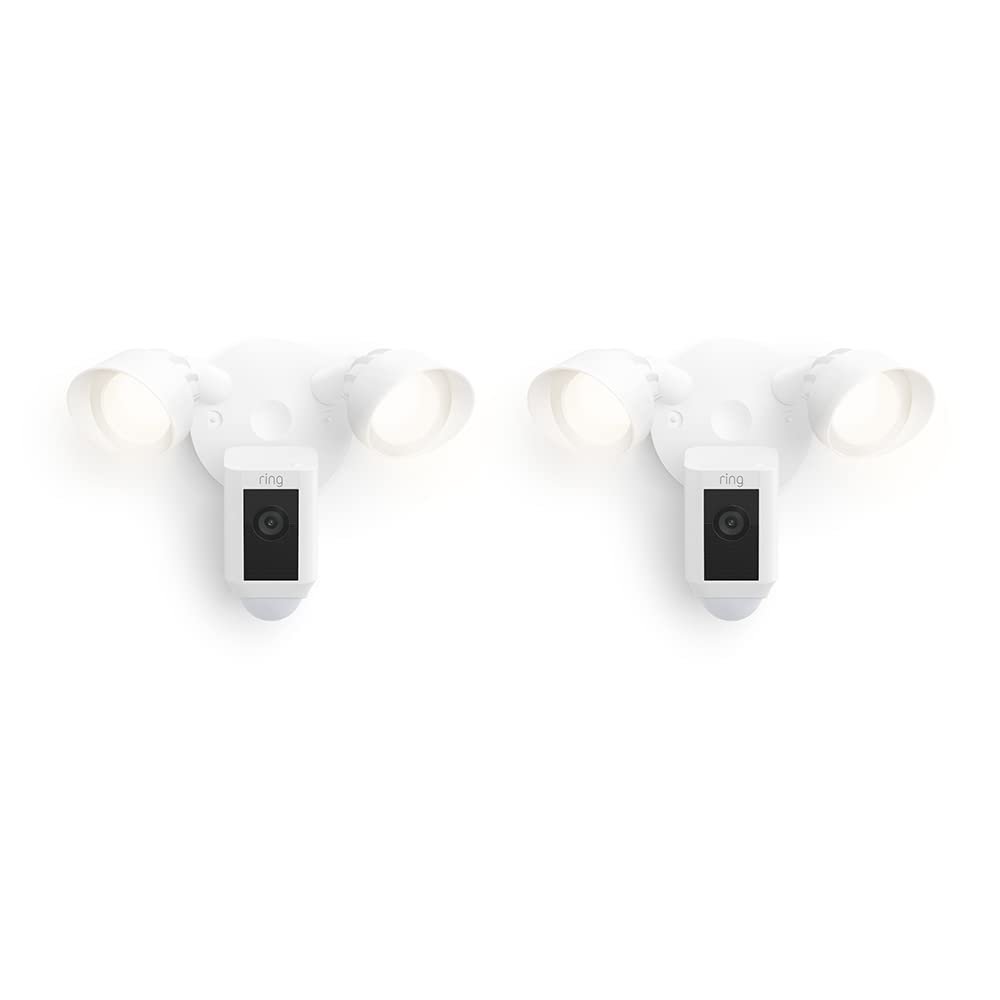
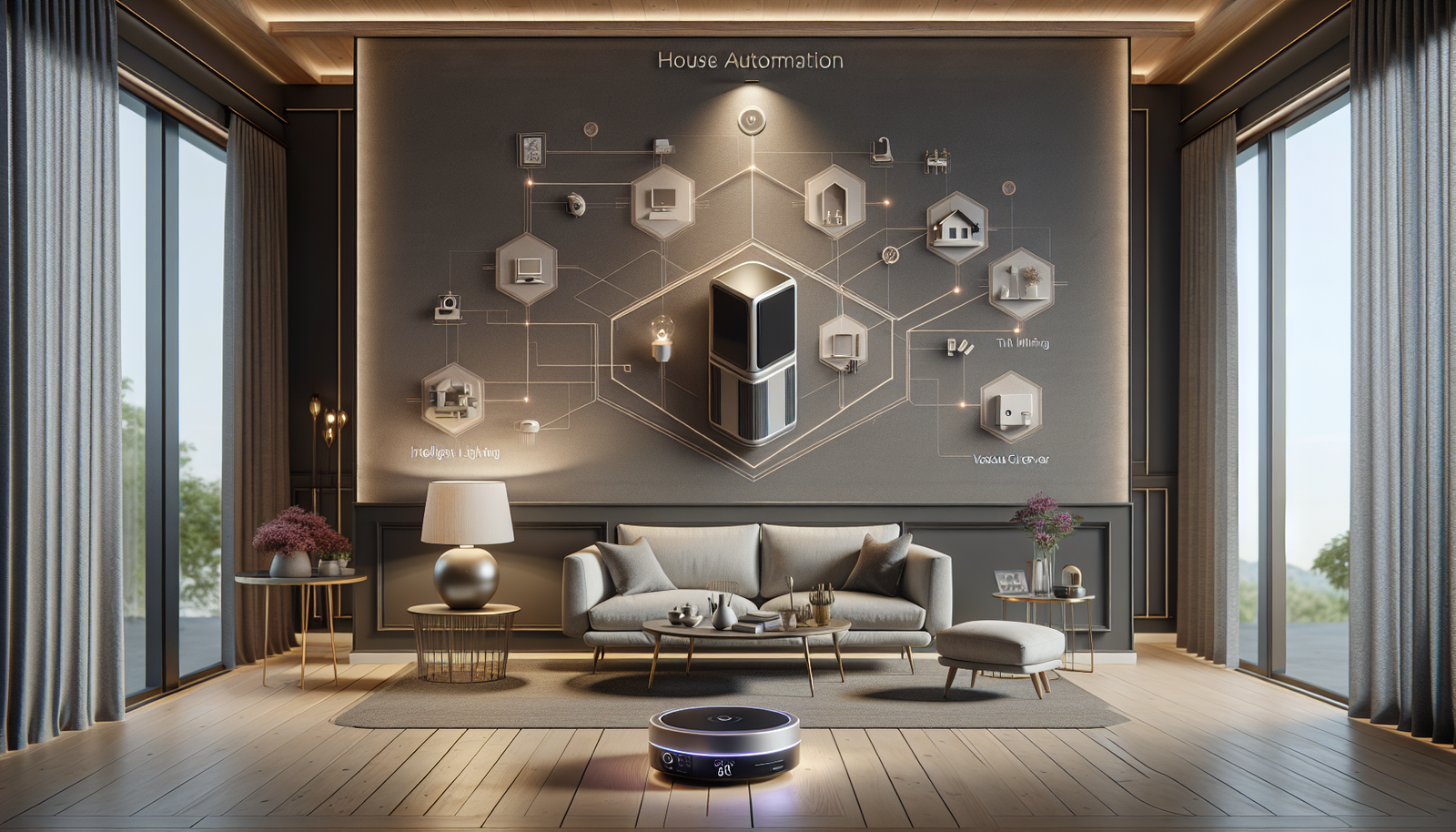
A smart home refers to a living space equipped with devices that connect to the internet and enable remote management either through a smartphone, tablet, or voice command. These devices range from lighting systems and thermostats to security cameras, all designed to improve quality of life through automation and enhanced control. The core idea is to foster an environment where technology works seamlessly to support your everyday tasks and objectives.
The Basics of Smart Home Devices
To truly understand smart homes, it’s essential to explore the smart devices that bring these homes to life. Smart devices are electronic gadgets designed to enhance convenience, safety, and efficiency by integrating with network systems, allowing for remote access and control.
Cost and Value Considerations
When considering a smart home setup, one of the first things that come to mind is cost. From the initial outlay for devices to the investment in a compatible hub, the expenses can quickly add up. However, it’s worth considering the savings on utility bills and increased property value these devices may provide over time. Not all devices require hefty installations, especially those fitting rental spaces, which still offer significant benefits without the permanence.
Smart Home Devices for Boosting Productivity and Focus
Smart home devices do more than just automate tasks—they also create an environment conducive to increased productivity and focus. Here’s how:
Smart Lighting Systems
Lighting plays a crucial role in setting the mood and enhancing concentration. Smart lighting systems allow you to control the brightness, color, and intensity of lights in your home, all from your mobile device or through voice commands. By optimizing your workspace with the right lighting, you can create an ambiance that minimizes eye strain and boosts alertness.
Smart Speakers and Voice Assistants
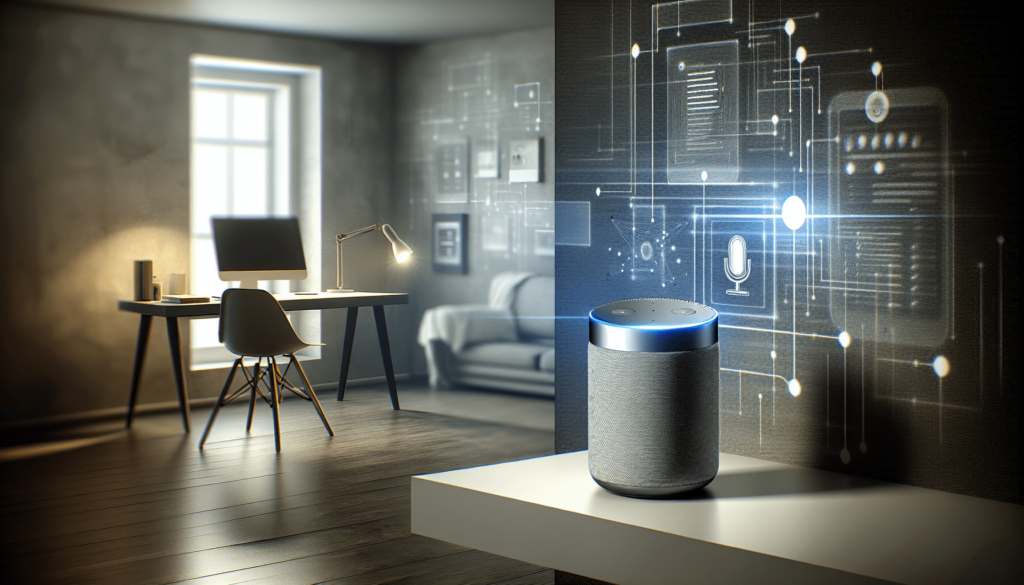
Smart speakers such as Amazon Echo or Google Home bring the power of voice-activated control to your fingertips (or lack thereof). Use voice commands to set reminders, manage your calendar, or even play focused playlists to aid concentration. With routines and skills, you can streamline your morning startup or evening wind-down to maximize productivity.
Smart Thermostats
A comfortable environment is foundational to peak performance. Smart thermostats like the Nest Learning Thermostat or Ecobee adapt to your schedule and preferences, ensuring optimal heating and cooling throughout the day. This not only contributes to energy savings but also enhances your ability to focus by maintaining a consistent, comfortable environment.
Smart Plugs and Power Strips
Control electronic devices remotely by integrating them with smart plugs and power strips. Automate the power cycle of distracting devices or those not necessary for your current tasks, aiding in maintaining focus by reducing temptations.
Setting Up Your Smart Home Ecosystem
Creating a smart home ecosystem is less daunting when you start with a clear plan. Here’s a step-by-step guide to help you begin:
Step 1: Assess Your Needs
Begin by identifying areas in your life where technology can aid productivity and focus. Prioritize the devices or features that align with your goals, whether minimizing distractions or optimizing task efficiency.
Step 2: Choose Compatible Devices
Select smart home devices that work with your existing systems, such as Wi-Fi or smartphone platforms. For seamless integration, ensure compatibility with your chosen voice assistant or hub. Devices from known brands often offer better support and reliability.
Step 3: Install and Integrate
Most devices come with user-friendly setup instructions. Start by connecting them to your network and testing their functionality. Remember, each device should contribute to enhancing your focus or productivity in some way, whether through automation or remote access.
Step 4: Create Automation Routines
Maximize efficiency by creating automation routines. For example, use smart lighting to simulate sunlight in the morning or dim lights for relaxation during breaks. Use smart thermostats to maintain comfortable temperatures based on your daily schedule.
Addressing Security and Privacy Concerns
Smart devices, while convenient, raise reasonable security and privacy concerns. Being proactive in addressing these issues can prevent unauthorized access:
Understand Data Privacy Policies
Familiarize yourself with the privacy policies of each device and app. Understand how your data will be used and stored, and know your rights over it.
Secure Your Network
A secure network is crucial—use strong, unique passwords and enable two-factor authentication when available. Regularly update your Wi-Fi router’s firmware to protect against vulnerabilities.
Monitor Device-Specific Security Features
Specific features such as encryption or remote device tracking can enhance security. Use these features to keep your smart home ecosystem secure.
Enhancing Energy Efficiency with Smart Devices
Aside from enhancing productivity, smart home devices can contribute significantly to energy efficiency, thereby reducing costs and environmental impact:
Energy Monitoring and Usage Optimization
Smart thermostats and plugs monitor and adjust your energy usage patterns, aiding in cutting down unnecessary consumption. By programming these devices based on occupancy and habits, they optimize energy use naturally.
Sustainable Smart Lighting
Switching to LED bulbs in smart lighting systems reduces energy consumption and costs. Combined with features like scheduled turn-off, these systems enhance sustainability and savings.
Integration with Renewable Energy
Some smart systems allow for integration with renewable energy sources such as solar panels. This integration facilitates a deeper level of energy efficiency, aligning your home with sustainable practices.
Compatibility and Connectivity
For a robust smart home ecosystem, the interplay between different devices and platforms is vital. Devices from different manufacturers should work together smoothly without constant manual intervention:
Communication Protocols
Be mindful of communication protocols like Wi-Fi, Zigbee, or Z-Wave. Devices communicating over these protocols typically offer more reliable performance and expanded reach when integrated with hubs.
Voice Assistant Integration
Compatibility with voice assistants like Alexa, Google Assistant, or Siri enhances device interaction. This seamless integration allows you to control multiple devices simultaneously, simplifying tasks and saving time.
Looking Toward the Future: Trends and Innovations
As technology evolves, the smart home industry grows more sophisticated with new innovations:
Artificial Intelligence and Machine Learning
Artificial intelligence is playing an increasingly significant role, particularly in learning user behaviors and preferences. Future smart homes could predict your needs far more accurately, helping to create an even more efficient living environment.
Expansion of IoT Ecosystems
With the Internet of Things expanding, expect more devices and applications to appear, increasing the scope and potential of smart living. These innovations will further optimize productivity and enhance focus.
Increased Focus on Biometrics
Biometric technology is becoming more prevalent in smart home security, with features like facial recognition offering personalized and responsive protection.
Conclusion
Smart home devices are transforming how we live, with the potential to make our homes more efficient, secure, and tailored to our productivity needs. With thoughtful integration, these devices can help reduce distractions and automate mundane tasks, allowing you to better focus on what truly matters. By understanding your specific requirements, selecting compatible devices, and using them effectively, you can significantly enhance your productivity and focus, creating an environment where technological convenience meets optimized living.