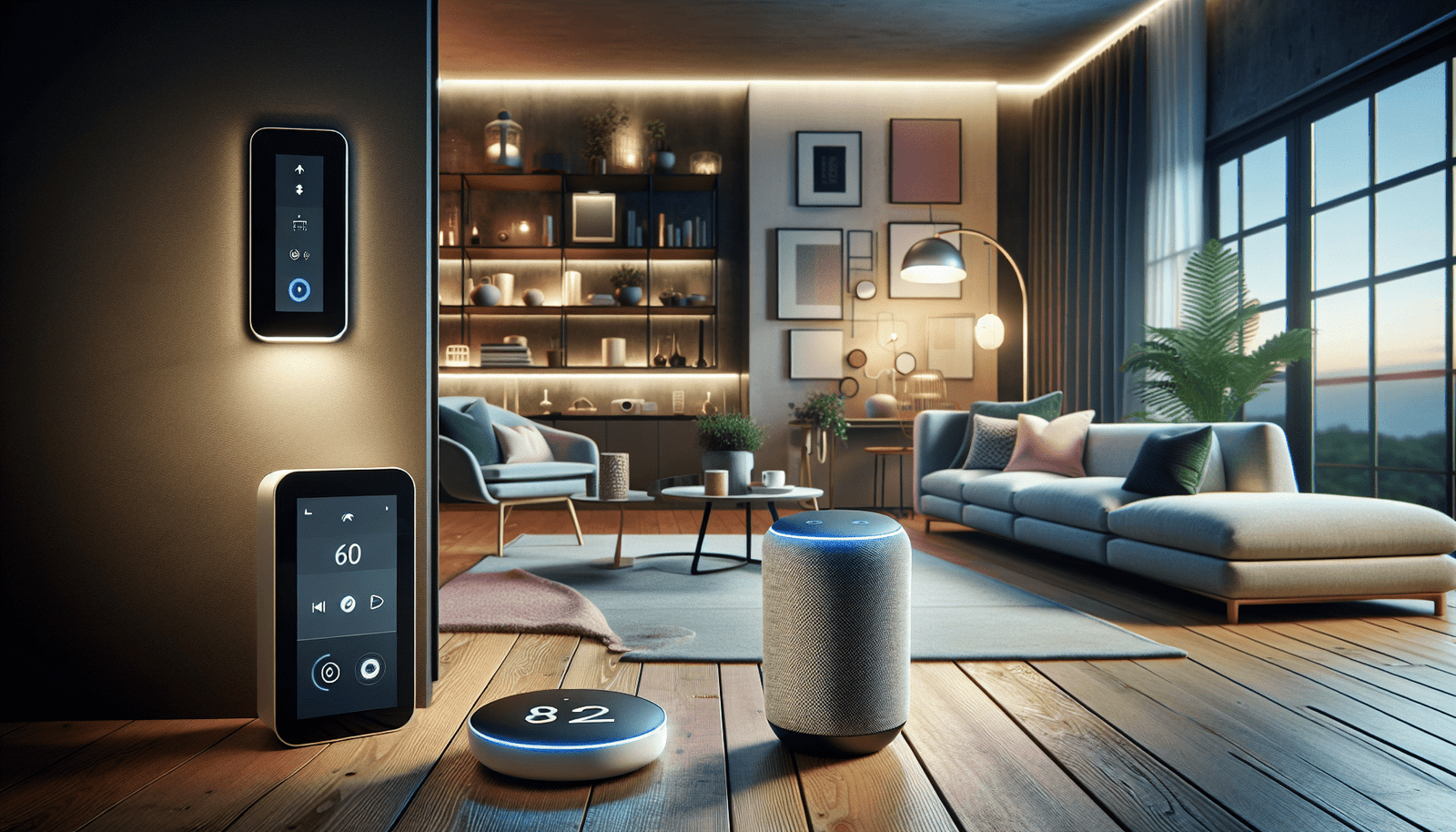
Have you ever wondered how smart thermostats can help you save money on your energy bill while enhancing your home’s comfort and efficiency? With the rise of smart home technology, smart thermostats have become an essential tool for many households aiming to reduce expenses and improve energy consumption.

Understanding Smart Thermostats
What Are Smart Thermostats?
Smart thermostats are advanced versions of traditional thermostats, capable of being programmed and controlled remotely through various electronic devices like smartphones and tablets. They are designed to optimize your home’s heating and cooling by learning your routine and adjusting temperatures accordingly.
How Do They Work?
Smart thermostats function by connecting to your home’s Wi-Fi, allowing for remote access and control. They utilize sensors to detect temperature changes and, in some models, presence within the home. By programming or allowing the thermostat to learn your preferences, you can ensure comfort and energy efficiency even when you’re not home.
Key Features of Smart Thermostats
Many smart thermostats come equipped with features such as learning algorithms, geofencing, and integration with smart home systems. Learning algorithms adjust the thermostat settings based on your habits, while geofencing regulates the temperature based on your proximity to home. Integration with systems like Alexa or Google Assistant offers seamless voice control and additional automation options.
Benefits of Using Smart Thermostats
Energy Efficiency
Smart thermostats are powerful tools for enhancing energy efficiency. By precisely managing your home’s temperature settings, they ensure that energy is not wasted, leading to reduced energy consumption and lower utility bills. The Environmental Protection Agency (EPA) suggests that programmable and smart thermostats can save homeowners about 8% on energy bills annually.
Cost Savings
The cost savings from a smart thermostat can be substantial over time. While the initial investment may vary, the savings on energy bills offset this cost in a matter of years. Many utility companies also offer rebates on smart thermostat purchases, supplementing your savings strategy.
Improved Home Comfort
A smart thermostat provides improved home comfort by maintaining optimal temperatures tailored to your schedule and preferences. Whether it’s waking up to a warm house or returning home to a cool environment on a hot day, these devices enhance comfort and convenience effortlessly.
Choosing the Right Smart Thermostat
Comparing Top Models
When choosing a smart thermostat, several factors should be considered, including compatibility, features, price, and user reviews. Below is a table comparing some of the top models:
| Model | Price Range | Notable Features | Compatibility |
|---|---|---|---|
| Nest Learning Thermostat | $200-$250 | Learning algorithms, remote control, energy reports | Alexa, Google Assistant |
| Ecobee SmartThermostat | $250-$300 | Voice assistant, occupancy sensors, energy saver tools | Alexa, Apple HomeKit |
| Honeywell Home T9 | $150-$200 | Multi-room sensors, smart alerts | Alexa, Google Assistant |
| Sensibo Sky | $100-$150 | Easy installation, app control | Google Assistant, HomeKit |
Considerations for Renters
For renters, ease of installation and removal is crucial. Many smart thermostats offer solutions that don’t require extensive wiring modifications, making them equally viable for renters and homeowners.
Weighing Cost vs. Features
It’s essential to balance your budget with the features most relevant to your lifestyle. While investing in a more expensive model may bring additional features, budget-friendly options can still offer significant savings and improvements.
Installation and Setup
DIY Installation Guide
Installing a smart thermostat is often straightforward. Begin by turning off the power to your current thermostat to prevent electrical shock. Remove the old thermostat and connect the new device to the existing wiring using the appropriate adapters if necessary. Most smart thermostats include step-by-step installation guides or have online resources to assist users.
Troubleshooting Common Issues
Problems during or following installation may include connectivity issues or faulty wiring. Ensuring your router and thermostat are within a conducive range can improve connectivity issues, while consulting the manufacturer’s troubleshooting resources can resolve wiring concerns.
Compatibility Checks
Before purchasing, ensure the thermostat is compatible with your heating, ventilation, and air conditioning (HVAC) system. Compatibility information is typically available on the manufacturer’s website. Consider whether additional components, such as adaptors for older systems, are necessary.
Advanced Features of Smart Thermostats
AI Learning
AI learning is a highlight of many modern smart thermostats. These algorithms learn your daily routine and preferences over time, autonomously adjusting the temperature without user input, which leads to improved energy optimization.
Geofencing
Geofencing allows your thermostat to react to your location. By using your smartphone’s location data, the thermostat adjusts temperatures when you leave or approach your home, ensuring energy isn’t wasted when no one is at home.
Voice Assistant Integration
Integration with voice assistants, such as Amazon’s Alexa or Google Assistant, allows users to control their thermostat with simple voice commands. This not only adds convenience but also enables sophisticated home automation scenarios.
Multi-Zone Control
Some smart thermostats offer multi-zone control, allowing users to set different temperatures in various parts of the home. This feature lets you tailor heating and cooling to specific zones, enhancing comfort and cutting down on energy waste in unused areas.
Potential Drawbacks of Smart Thermostats
Initial Cost
While smart thermostats can save money in the long run, the initial purchase and installation can be costly. However, taking advantage of rebates and financing options through utility providers can mitigate these upfront costs.
Privacy Concerns
With features like geofencing and AI learning, smart thermostats often collect data about your habits. Though this information helps improve functionality, some users may worry about data privacy.
Compatibility Issues
Not all smart thermostats are compatible with every HVAC system, and certain features may not work seamlessly with older systems. Ensuring compatibility before purchase is vital to prevent unwanted costs and adjustments.
Are Smart Thermostats Right for Your Home?
Evaluating Personal Needs
Determining if a smart thermostat is right for you involves assessing your daily schedule, home size, and energy conservation goals. Those who spend more time away from home or have fluctuating schedules may reap the most significant benefits.
Calculating Potential Savings
Potential savings can be calculated through several online tools and calculators provided by energy companies and environmental agencies, helping you quantify the financial benefits against costs.
Future-Proofing Your Home
Investing in a smart thermostat not only improves your current energy efficiency but also positions your home for future technological advancements. Staying ahead of energy management trends can pay dividends in both monetary savings and environmental impact.
In conclusion, smart thermostats are a worthwhile investment for many households aiming to enhance energy efficiency, comfort, and cost savings. By understanding their features, installation processes, and potential drawbacks, you can make an informed decision about whether this technology is the ideal solution for your home’s energy management needs.

Disclosure: As an Amazon Associate, I earn from qualifying purchases.