Have you ever considered how much water your garden is consuming? With growing concerns about water scarcity and conservation, homeowners and eco-conscious individuals alike are questioning their watering habits. From small patches of grass to extensive gardens, every inch counts when it comes to both efficiency and sustainability. This leads to an essential question: How much water does smart irrigation really save?

Understanding Smart Irrigation
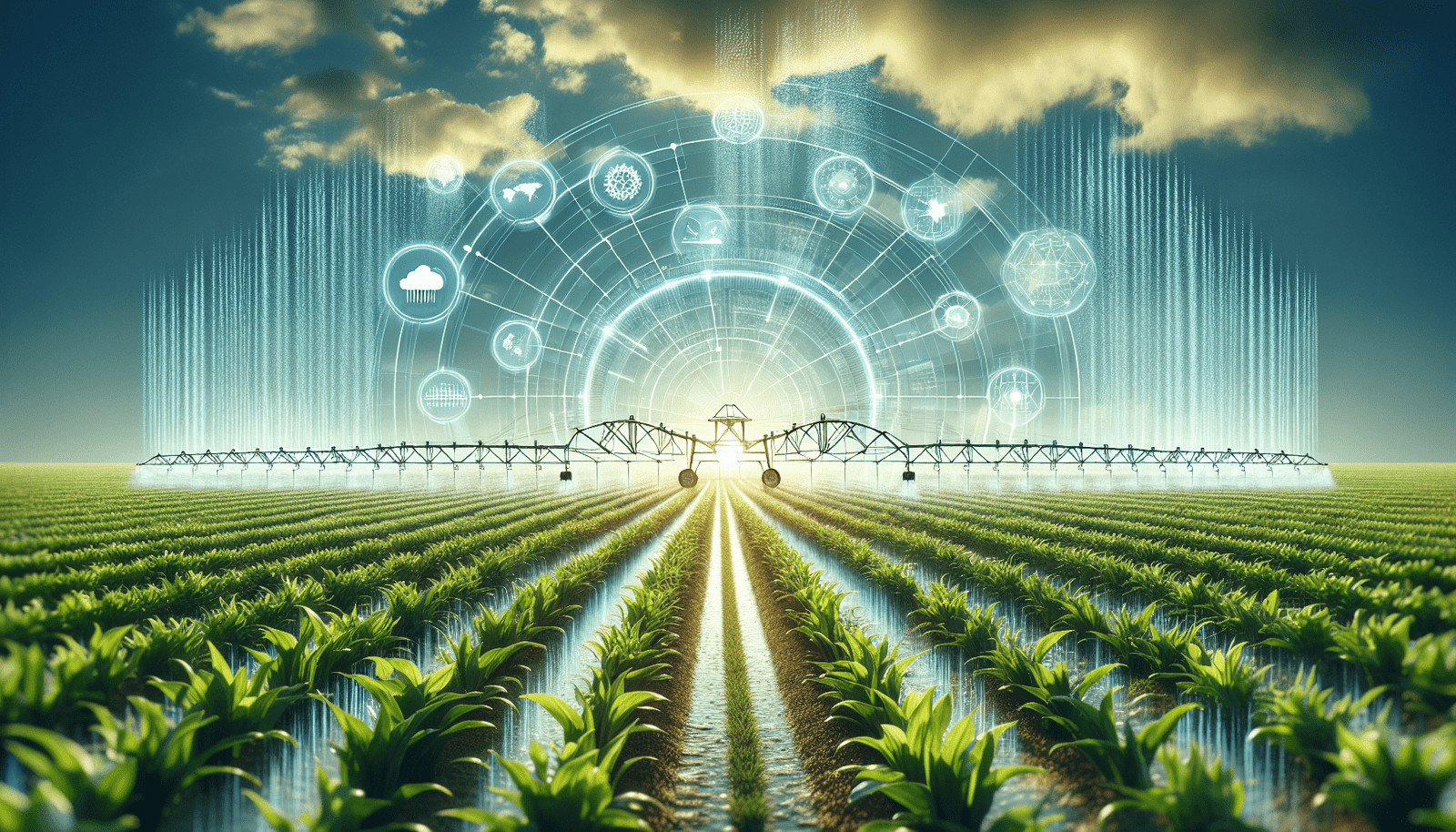
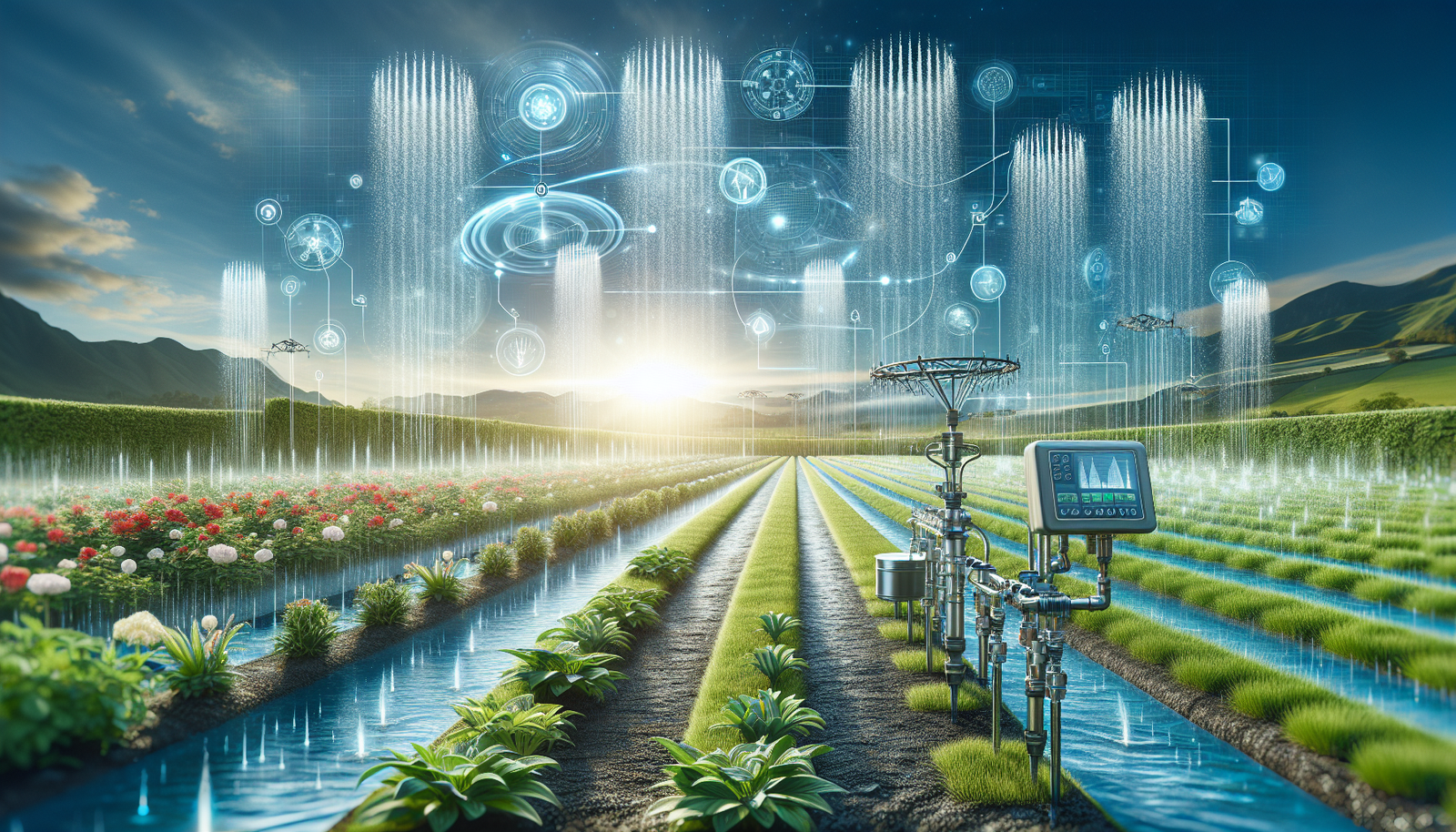
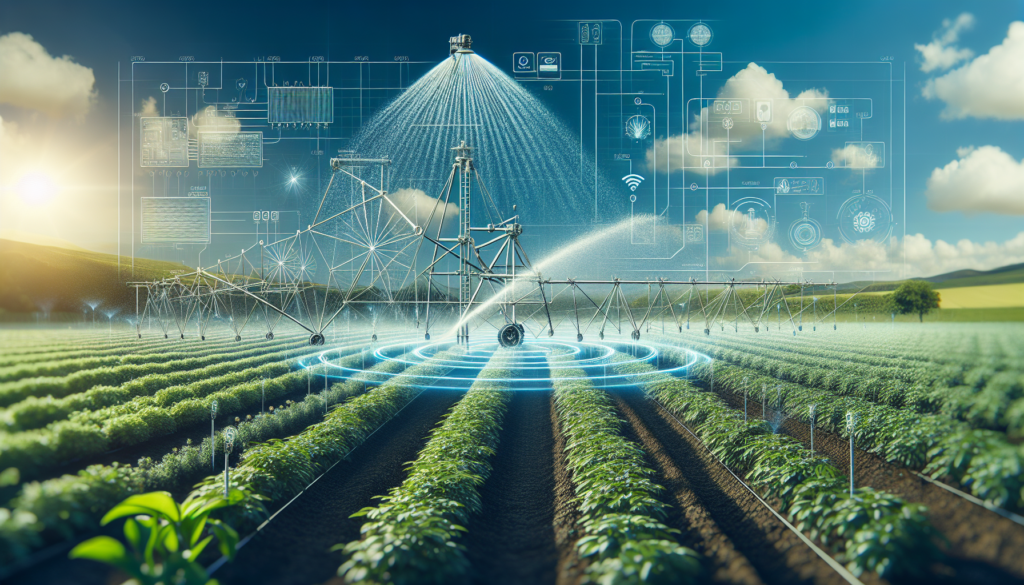
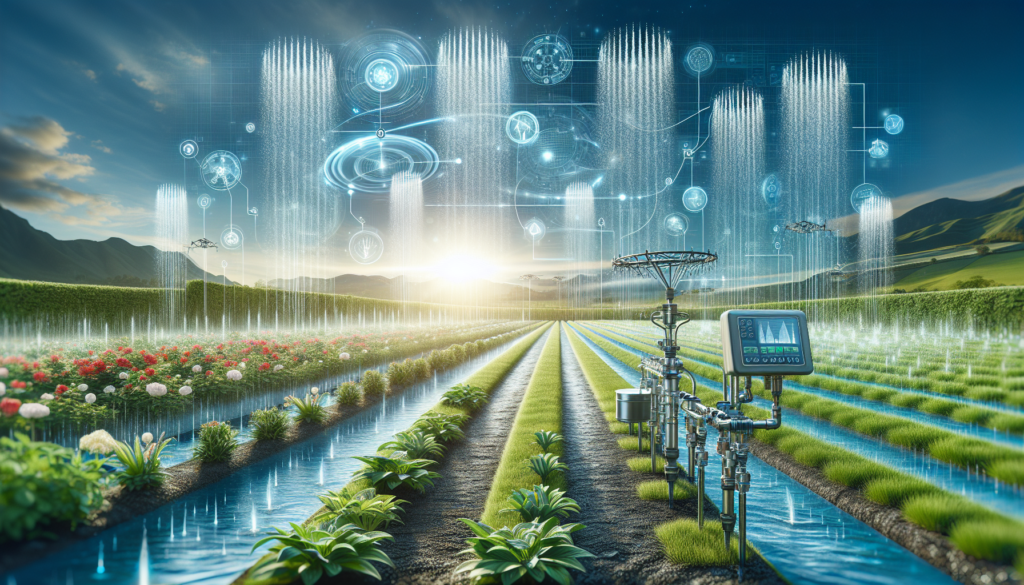
Before delving into the water-saving capabilities, it’s crucial to understand what smart irrigation truly entails. Smart irrigation systems are technological advancements over traditional manual or timer-based systems. They automatically adjust watering schedules and amounts based on various conditions, such as weather forecasts, soil moisture levels, and the specific needs of your plants.
What Makes Irrigation “Smart”?
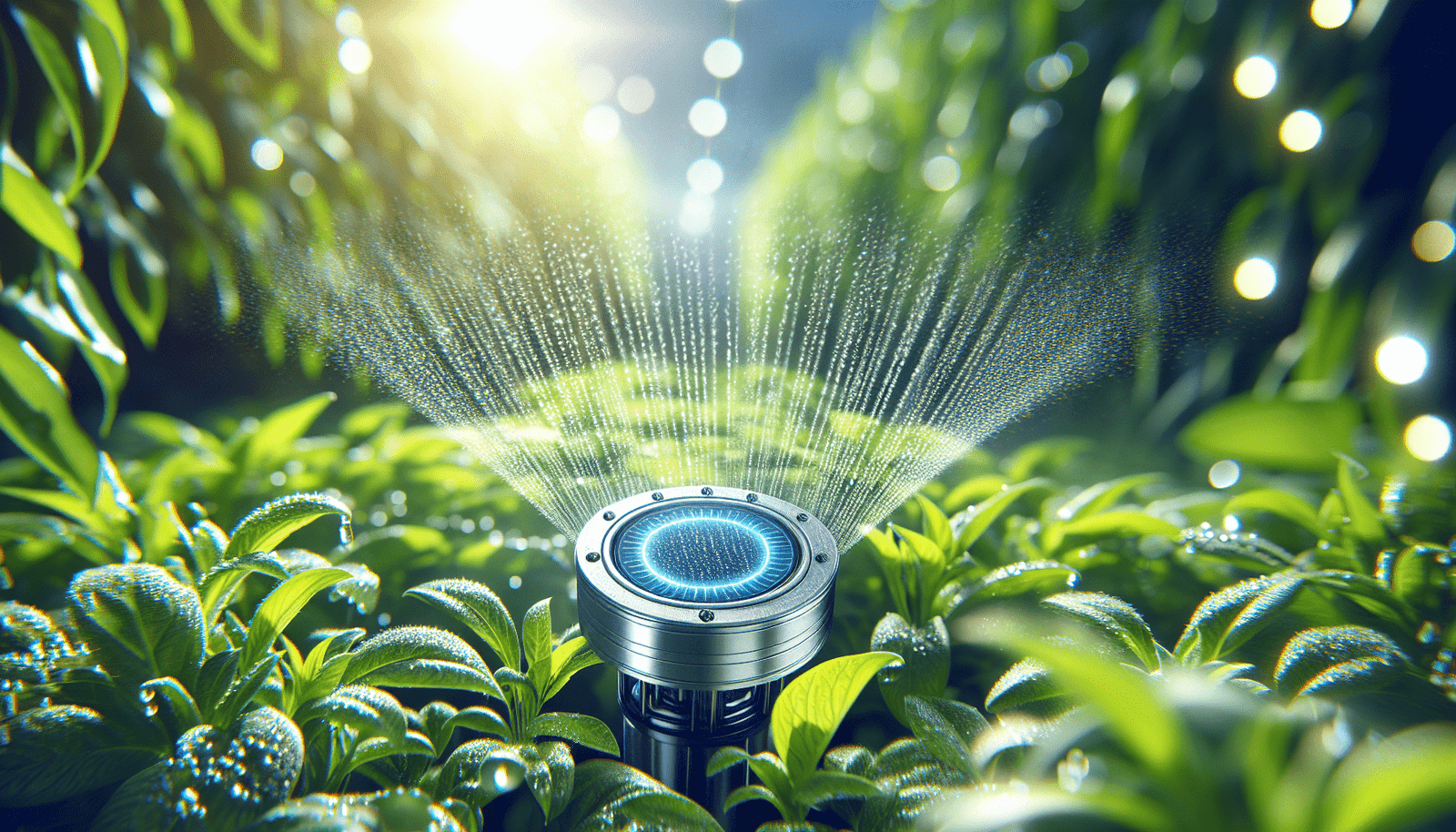
Smart irrigation systems use innovative technology to optimize water usage. Embedded sensors, weather data, and internet connectivity allow these systems to fine-tune watering parameters. Unlike traditional systems that work on a set schedule regardless of weather changes, smart systems adapt to real-time conditions, ensuring your plants get the right amount of water at the right time.
Benefits Over Traditional Systems
Traditional irrigation systems often lead to overwatering or underwatering due to their inflexible nature. In contrast, smart irrigation systems adjust based on real-time environmental factors, conserving water and maintaining plant health. This adaptability not only saves water but can also reduce water bills, enhance plant growth, and decrease the environmental footprint of home irrigation practices.
How Much Water Can You Save?
Research and real-world applications have shown significant water savings when using smart irrigation. On average, these systems can reduce water usage by up to 30% compared to traditional methods. However, the actual savings depend on various factors, such as climate, soil type, and the specific plants in your garden.
Water Savings in Different Climates
The impact of smart irrigation varies across different climates. In dry and arid regions, where water is a precious resource, the efficiency of smart systems is particularly noticeable. By precisely targeting water needs, these systems can help conserve substantial amounts of water. Even in wetter climates, smart systems prevent overwatering, ensuring that plants receive just the right amount of moisture.
Case Study: Residential Water Savings
Consider a case study from a suburb in California, a state known for its water conservation efforts. Homeowners who switched to smart irrigation reported a drop in water use ranging from 20% to over 50%. These figures translate into not just savings on water bills, but also contributions to statewide conservation efforts.
Smart Irrigation Products: What to Consider
The market offers a plethora of smart irrigation products, each with unique features. When choosing a system, several factors come into play, including ease of installation, compatibility with your existing garden setup, and the technological features you desire.
Popular Smart Irrigation Controllers
A few reputable brands dominate the smart irrigation market. Controllers often come equipped with Wi-Fi connectivity, which allows for remote management via smartphone apps. Some well-reviewed controllers include:
| Brand | Model | Key Features |
|---|---|---|
| Rachio | 3rd Generation | Weather intelligence, app control |
| Orbit | B-hyve XR | Built-in Bluetooth, rain delay |
| RainMachine | HD-12 | Touchscreen, local weather data |
Each controller offers its own blend of customization options, such as varying schedules for different zones, customization for plant types, and manual overrides for unpredictable weather conditions.
Cost and Efficiency
The initial cost of smart irrigation systems can seem daunting. However, it’s an investment that pays off through long-term water savings and efficiency. On average, a smart irrigation controller can cost anywhere from $150 to $300, with additional expenses for sensors or other accessories.
Calculating Return on Investment
To calculate potential savings, compare your current water bill to a projected bill after installing a smart irrigation system. Users often find that the system pays for itself within a few years, especially in areas with high water rates. Additionally, some regions offer rebates and incentives for sustainable water practices, which can offset initial purchase costs.
Long-term Sustainability Benefits
Beyond the immediate financial savings, smart irrigation contributes to broader sustainability goals. Water conservation is a key aspect of environmental protection, particularly in areas facing droughts or water shortages. By reducing unnecessary water use, you help preserve natural water sources and promote ecological balance.
Upgrading to a Smart System
For homeowners considering a transition from traditional to smart irrigation, the upgrade process is generally straightforward. Most smart controllers are compatible with existing irrigation hardware, requiring minimal changes to your current setup.
Step-by-Step Upgrade Guide
- Assess Your Current System: Identify your existing equipment and its compatibility with smart technology.
- Choose a Smart Controller: Based on your needs, pick a controller that best matches your garden’s requirements.
- Install the Controller: Follow manufacturer instructions for installation, often involving the replacement of the old controller with the new one.
- Connect to Wi-Fi: Utilize smartphone apps to configure settings and connect the system to local weather data sources.
- Configure Zones and Sensors: Adjust settings for each garden zone and install sensors if necessary.
This process, while relatively simple, can also be undertaken with professional assistance, especially for those less familiar with irrigation systems.
Technological Advancements and Future Trends
The field of smart irrigation continues to evolve. Integration with broader smart home systems is becoming more common, with voice control and AI-driven adjustments on the horizon. These technological advancements indicate a promising future for even greater water savings and garden health optimization.
AI and Automation
Emerging technologies in AI and machine learning are set to revolutionize irrigation. Future systems may learn from historical and real-time data to anticipate water needs with even greater precision. This level of automation will save more water and enhance the convenience for users, making smart systems even more attractive and efficient.
Expanding Integration with Smart Homes
Integrating irrigation with other smart home devices enhances the user experience. For instance, syncing irrigation with weather alarms and notifications allows homeowners to make informed decisions based on comprehensive environmental data, thereby ensuring optimal garden care with minimal effort.
Addressing Concerns and Misconceptions
While smart irrigation systems offer numerous benefits, some potential users may have concerns about technology, privacy, or cost. Addressing these misconceptions can facilitate more informed decision-making.
Privacy and Security
Some homeowners worry about the data collected by smart systems. However, reputable brands prioritize user privacy and secure data management, often offering robust encryption and user control over data sharing.
Cost vs. Benefits Debate
Though the upfront costs may seem high, the long-term benefits often outweigh these initial expenses. The combination of water savings, enhanced garden health, and lower utility bills typically results in a favorable cost-benefit balance for many users.
Conclusion
In conclusion, smart irrigation systems present a multitude of benefits by significantly saving water, reducing costs, and promoting sustainability. As the technology continues to advance and integrate with other smart home systems, these benefits are set to increase. Whether your goal is to conserve water, reduce utility bills, or simply maintain a healthier garden, smart irrigation stands as a wise investment for the future. Remember, making conscious choices now can lead to a brighter, greener tomorrow, one drop at a time.

Disclosure: As an Amazon Associate, I earn from qualifying purchases.