Have you ever wondered how technology can transform the ordinary task of watering your garden into a sophisticated, eco-friendly activity? As technology advances, it increasingly finds its way into every facet of our daily lives, including how we care for our lawns and gardens. By integrating smart irrigation systems, you can effectively conserve water, enhance plant health, and seamlessly integrate automation into your outdoor spaces.

Understanding Smart Irrigation
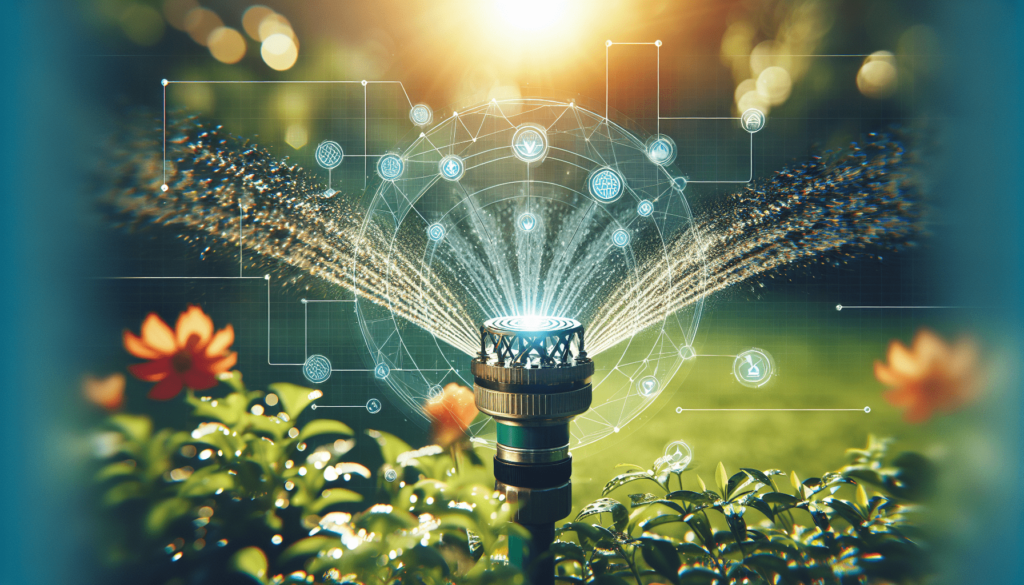
Smart irrigation refers to a system that utilizes advanced technology to monitor and manage your watering schedule. Instead of relying solely on traditional timers, smart irrigation systems use sensors, weather data, and real-time analytics to optimize water usage. If you’re curious about how it all works, let’s break it down.
Components of a Smart Irrigation System
A typical smart irrigation system includes a controller, sensors, and sometimes weather data integration. Here’s how each component plays a crucial role in simplifying your watering routine:
- Smart Controller: This is the brain of your system. It connects to your smartphone or computer, allowing you to control when and how much water your lawn or garden receives.
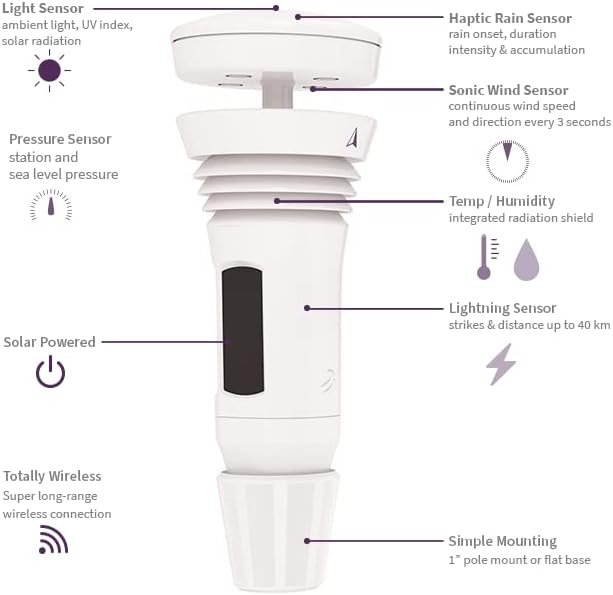
- Sensors: Soil moisture, temperature, and rainfall sensors provide real-time data to the controller, ensuring that your plants receive just the right amount of water.
- Weather Data Integration: By using local weather data, your system adjusts watering schedules based on current and forecasted conditions.
How These Components Work Together
When combined, these components allow your system to make informed decisions. For example, if your area receives unexpected rain, your smart controller can delay scheduled irrigations, thereby conserving water. With real-time soil moisture data, it also ensures that you don’t overwater or underwater your plants, promoting healthier growth.
Benefits of Smart Watering
Transitioning to a smart watering system offers several advantages that go beyond merely maintaining a lush garden.
Water Conservation
One of the most significant benefits of smart irrigation is water conservation. By supplying just the right amount of water based on precise measurements and weather conditions, you can significantly reduce water waste. This approach not only benefits the environment but can also lead to considerable savings on your water bill.
Improved Plant Health
Smart systems often lead to healthier plants, as they ensure optimal watering. By preventing both under-watering and overwatering, you eliminate two critical stressors that can damage your plants’ roots and overall wellbeing.
Cost Savings
Though the initial cost may seem high, smart irrigation can save you money in the long run. With lower water bills and fewer plant replacements due to healthier growth, the system pays for itself over time.
Integration with Smart Home Systems
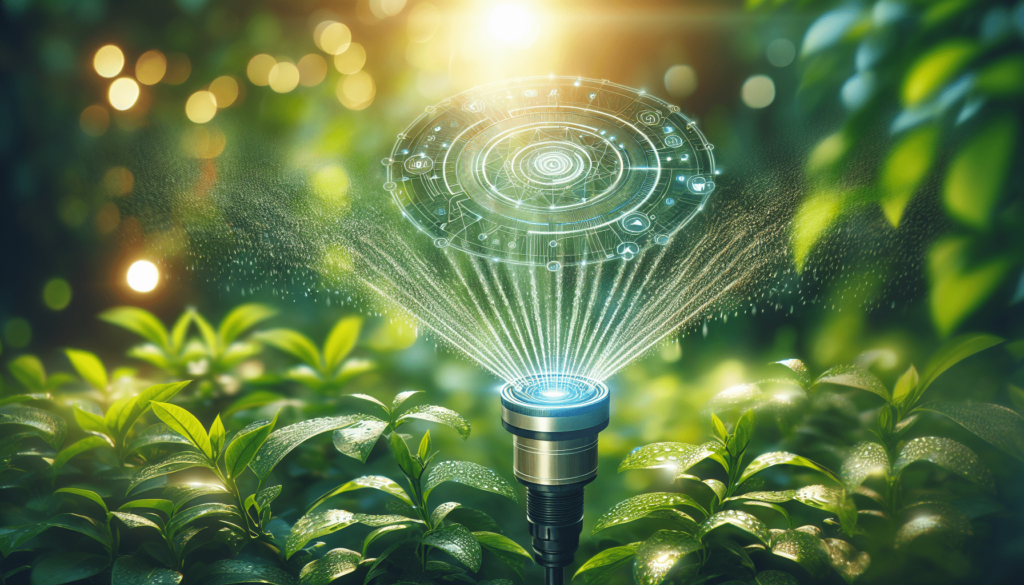
If you’re a smart home enthusiast, you’ll be delighted to know that many smart irrigation systems integrate seamlessly with your existing smart home ecosystem. Imagine controlling your sprinkler system from your smartphone or using voice commands with your smart speaker. The convenience and accessibility are unmatched.
Evaluating the Best Smart Irrigation Products
Choosing the right smart irrigation system can seem daunting given the variety of products available. Here’s a guide to help you make an informed decision.
Key Features to Consider
When selecting a system, keep these features in mind:
- Compatibility: Ensure it works with your current irrigation system and any smart home devices you have.
- Ease of Use: Look for user-friendly interfaces and easy installation.
- Customizability: The system should allow you to set specific watering schedules based on your landscaping needs.
- Remote Accessibility: You’ll want to control your system remotely via an app or web portal.
Recommended Products
Here are some smart irrigation systems that receive high marks for performance and reliability:
| Product Name | Notable Features | Pros | Cons |
|---|---|---|---|
| Rachio 3 | Weather Intelligence Plus, Integrates with Alexa & Google Assistant | Easy setup, Detailed scheduling | Higher initial cost |
| Orbit B-hyve | Smart WeatherSense, Budget-Friendly | Great value, Precipitation sensing | Limited smart home integration |
| Netro Smart | Watering Schedule Adaptation, Solar Power Option | Eco-friendly, Cost-effective | App could be more intuitive |
Transitioning to a Smart Irrigation System
If you currently use a traditional irrigation system, the thought of upgrading to a smart system might be overwhelming. However, the transition is simpler than you might think.
Upgrading Existing Systems
Most smart controllers are designed to replace or enhance existing systems, allowing you to keep your current sprinklers and hoses. The installation typically involves:
- Replacing your existing timer with a smart controller.
- Connecting sensors to your system.
- Setting up your controller through a dedicated app.
Installation Tips
- Read the Manual: Each system will have specific instructions, so familiarizing yourself with the manual is crucial.
- Professional Installation: If the process seems daunting, many companies offer installation services.
- Test the System: Once installed, run a test to ensure everything works properly and make any necessary adjustments.
Cost Factors and Sustainability Benefits
Investing in a smart watering system does involve initial costs, but understanding these can help you make a more informed choice.
Initial and Long-Term Costs
- Initial Investment: This can range from $100 to $400, depending on the features and brand.
- Long-Term Savings: Reduced water bills and improved landscape longevity will offset these initial costs over time.
Environmental Impact
Smart watering is more than just a technological upgrade; it’s a step towards sustainable living. By optimizing water usage, you contribute to the conservation of this precious resource and help reduce your carbon footprint.
Technological Advancements
The field of smart irrigation is rapidly evolving, with new technologies continually emerging to enhance efficiency and user experience.
What’s Next in Smart Irrigation
Future advancements you might see include:
- AI-Powered Systems: To further refine watering decisions based on complex data analysis.
- Increased Connectivity: Offering better integration with smart city initiatives and more smart home devices.
- Improved Sensors: Next-generation sensors will provide even more accurate data for better watering precision.
Conclusion
Understanding how smart watering works opens a realm of possibilities for enhancing your outdoor space while supporting environmental conservation. By embracing smart irrigation, you take a significant step towards better water management, healthier plants, and cost savings—all while enjoying the convenience of technology at your fingertips. Whether you’re budget-conscious, eco-friendly, or simply a tech enthusiast, the benefits of smart irrigation are plentiful. By now, you should have a clear picture of how these systems operate, their advantages, and how to choose the best one for your needs. Why not transform your garden today with a touch of intelligence?

Disclosure: As an Amazon Associate, I earn from qualifying purchases.