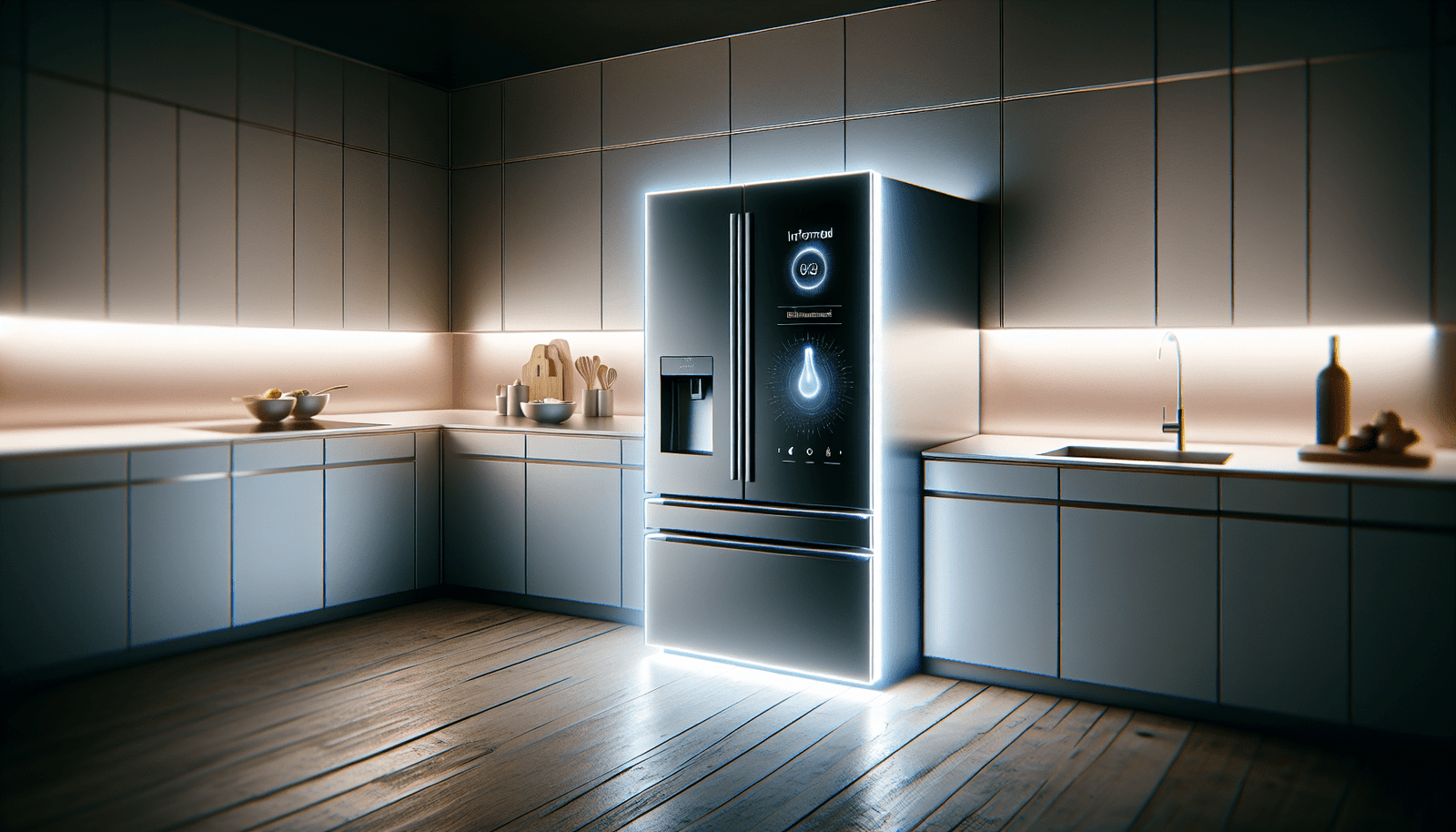
Have you ever walked into your kitchen and wondered how technology could make your everyday cooking more seamless and fun? The surge of smart technology is transforming our homes into more intelligent spaces, and the kitchen is no exception. With smart devices revolutionizing how we cook, clean, and organize our kitchens, it’s essential to stay updated on the latest trends. So, let’s delve into the intriguing world of smart kitchens and discover what’s new in this exciting realm.
Understanding Smart Kitchens: An Introduction
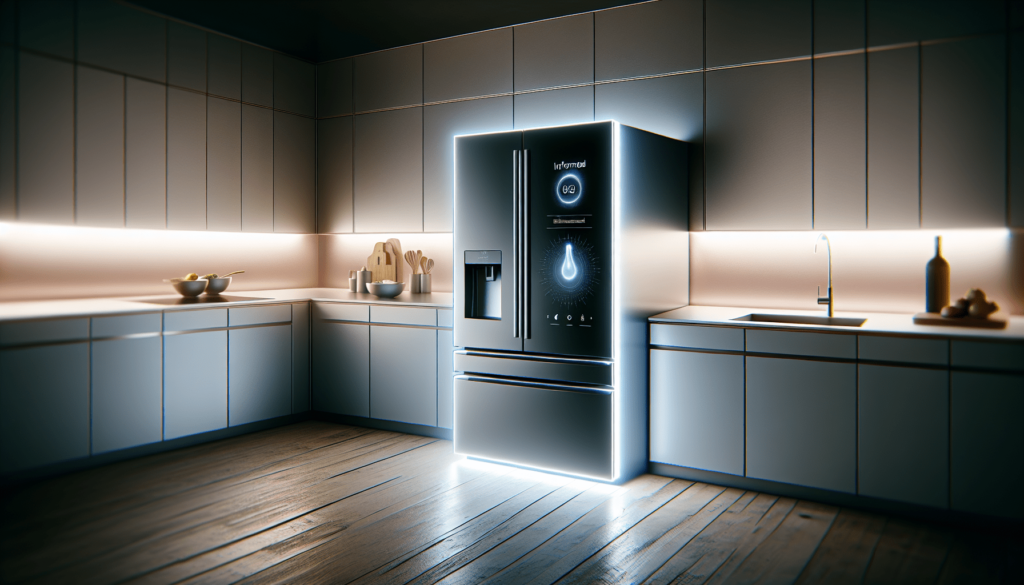
The concept of smart kitchens revolves around integrating advanced technology into cooking spaces, embracing devices that offer automation, connectivity, and often voice control capabilities. Such technology not only streamlines your culinary tasks but also adds a layer of sophistication and efficiency to your home. The presence of smart appliances, like ovens that know when your meal is perfectly cooked or refrigerators that can shop for groceries, epitomizes the wonders of smart kitchen technology.
Why Smart Kitchens Matter
The kitchen is more than just a space for cooking; it’s the heart of the home. Smart technology can help make kitchens more efficient by saving time and energy, improving cooking precision, and providing convenience like never before. Whether you’re a busy individual or a tech enthusiast, exploring smart kitchen solutions can significantly enhance your lifestyle.
The Core Components of a Smart Kitchen
A typical smart kitchen comprises various interconnected devices aimed at efficiency and convenience. These can be broadly classified into five categories:
1. Smart Cooking Appliances
Smart cooking appliances include ovens, stovetops, microwaves, and multi-cookers that can be controlled via smartphones or voice assistants. They are designed to make cooking easier, more precise, and enjoyable.
Examples:
- Smart Ovens: These can be preheated remotely and can send alerts when your meal is ready.
- Induction Cooktops: Feature sensor technology to adjust the heat and prevent boiling over.
2. Smart Refrigerators
Smart refrigerators go beyond keeping your food cold. They come with touchscreen interfaces, interior cameras to view contents without opening the door, and connectivity for inventory tracking.
Key Features:
- Inventory Management: Automatically track and suggest items you need to buy.
- Recipe Suggestions: Provide recipes based on available ingredients.
3. Smart Dishwashers
Smart dishwashers offer powerful cleaning, energy efficiency, and can be controlled through mobile apps to schedule washes and receive maintenance alerts.
Advantages:
- Eco-Friendly: Uses water and energy more efficiently.
- Quiet Operation: Significantly reduces noise during operation.
4. Smart Coffee Makers
For many, a day starts with a perfect cup of coffee. Smart coffee makers can be programmed from your phone, ensuring your brew is ready when you are.
Features:
- Customizable Settings: Adjust brew strength, temperature, and schedules.
- Remote Operation: Start the brewing process remotely.
5. Smart Assistants and Sensors
Smart assistants like Alexa and Google Assistant enable voice controls and automation in your kitchen. Sensors, meanwhile, enhance safety by detecting gas leaks or smoke.
Practical Uses:
- Voice Commands: Control all smart devices hands-free.
- Safety Sensors: Alert you about possible hazards.
Setting Up Your Smart Kitchen: Step-by-Step Guide
Embarking on the smart kitchen journey calls for careful planning and setup. Here is a streamlined guide to help you integrate smart technology into your kitchen:
Step 1: Assess Your Needs
Consider your cooking habits and lifestyle to determine which smart kitchen devices align with your needs. For instance, a cutting-edge oven might be ideal for baking enthusiasts.
Step 2: Plan Your Space
Evaluate your kitchen’s layout to identify available space for new devices. Ensure you have the required power outlets and connectivity, such as Wi-Fi.
Step 3: Choose Compatible Devices
To achieve seamless communication between devices, opt for products that can connect with popular smart home systems like Apple HomeKit or Amazon Alexa.
Step 4: Install and Connect Devices
Follow manufacturer instructions to install devices, ensuring they connect to your home network. This may involve downloading specific apps for control.
Step 5: Automate and Customize
Once connected, customize settings for automation based on daily routines. Create schedules or enable voice commands for hands-free operation.
Enhancing Cooking Efficiency with Smart Appliances
Smart appliances not only offer convenience but also significantly enhance cooking efficiency. Here’s how:
Precision Cooking
With sensors and precise controls, smart appliances help in achieving perfectly cooked meals. Smart ovens with temperature probes ensure your roast is neither under nor overcooked.
Recipe Assistance
Smart kitchens often come with apps that suggest recipes based on ingredients you have on hand, reducing waste and ensuring variety in your meals.
Time-Saving Automation
Pre-scheduling cooking tasks can save you substantial time. Imagine setting your slow cooker to start while you’re at work, ensuring a warm meal upon your return.
The Future of Smart Kitchens: Trends to Watch
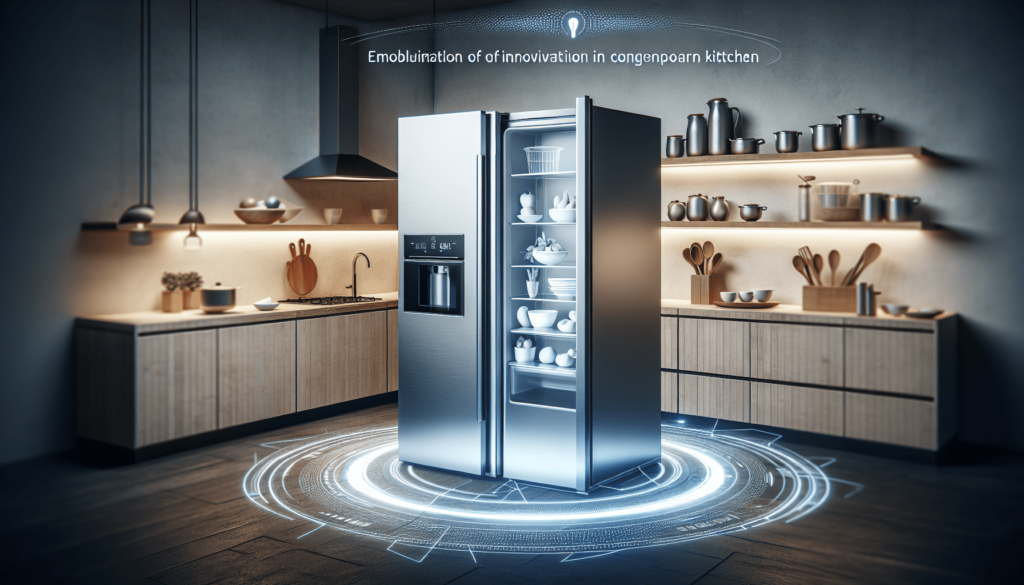
The landscape of smart kitchens is rapidly evolving, with new innovations continuously emerging. Here are a few trends gaining momentum:
AI-Driven Cooking Assistants
These assistants can learn your cooking preferences, suggest meal plans, and improve your culinary skills by providing tailored guidance.
Integration with Wearable Devices
Imagine your smartwatch notifying you about the exact moment to serve dinner, based on real-time cooking progress readings from your smart appliances.
Sustainable Solutions
Many smart appliances now focus on sustainability, reducing energy usage with energy-efficient designs and offering real-time usage monitoring.
The Impact of 5G and IoT
Faster 5G networks enhance connectivity, enabling almost instantaneous communication between devices and expanding the potential of IoT in kitchens.
Comparing Smart Kitchen Devices: How to Choose Wisely
Choosing the right smart kitchen device can be overwhelming given the plethora of choices. A simple comparison can help make an informed decision based on your needs and budget.
| Device Type | Key Features | Best For |
|---|---|---|
| Smart Oven | Remote preheat, auto shut-off | Baking enthusiasts |
| Smart Fridge | Internal cameras, inventory management | Large families |
| Smart Coffee Maker | Programmable brews, remote start | Coffee aficionados |
| Smart Dishwasher | Energy-efficient, maintenance alerts | Eco-conscious households |
Budget Considerations
Different devices come at various price points, so it’s crucial to set a budget. While high-end models offer more features, affordable options might fit snugly into your lifestyle without breaking the bank.
Maintaining Your Smart Kitchen: Best Practices
Keeping your smart kitchen devices in top condition ensures longevity and efficiency. Here are some best practices:
Regular Software Updates
Device manufacturers frequently release updates for bug fixes and new features. Regularly update your devices to enhance their performance.
Cleaning and Maintenance
Follow the manual for proper cleaning techniques that suit specific devices. For instance, some appliances may require special cleaning agents.
Troubleshooting Common Issues
Familiarize yourself with troubleshooting steps for common issues such as connectivity problems or unresponsive apps. Often, a quick restart resolves many minor glitches.
Securing Your Smart Kitchen
Security is paramount with any IoT device. Use strong passwords, enable two-factor authentication, and regularly review device settings to protect your smart kitchen from cyber threats.
Conclusion
Stepping into the realm of smart kitchens can be truly transformative, merging culinary creativity with technological innovation. By understanding and implementing smart devices, you not only enhance your cooking experience but also future-proof your kitchen with efficiency and sustainability at its core. Whether you’re a novice exploring these new gadgets or a seasoned chef eager to upscale your kitchen experience, the future of cooking is undoubtedly smart, and it’s here to stay. So, which smart kitchen trend captures your imagination the most?

Disclosure: As an Amazon Associate, I earn from qualifying purchases.