Do you need anything special for smart bulbs?
In the realm of smart home technology, lighting solutions such as smart bulbs are becoming increasingly popular. Yet, before making the switch from traditional lighting to smart lighting, you might ponder whether you need anything special for smart bulbs. This article provides a comprehensive guide on what is necessary for smart bulbs to function efficiently, aligning with your lifestyle and home automation needs.

Understanding Smart Bulbs: How Do They Work?
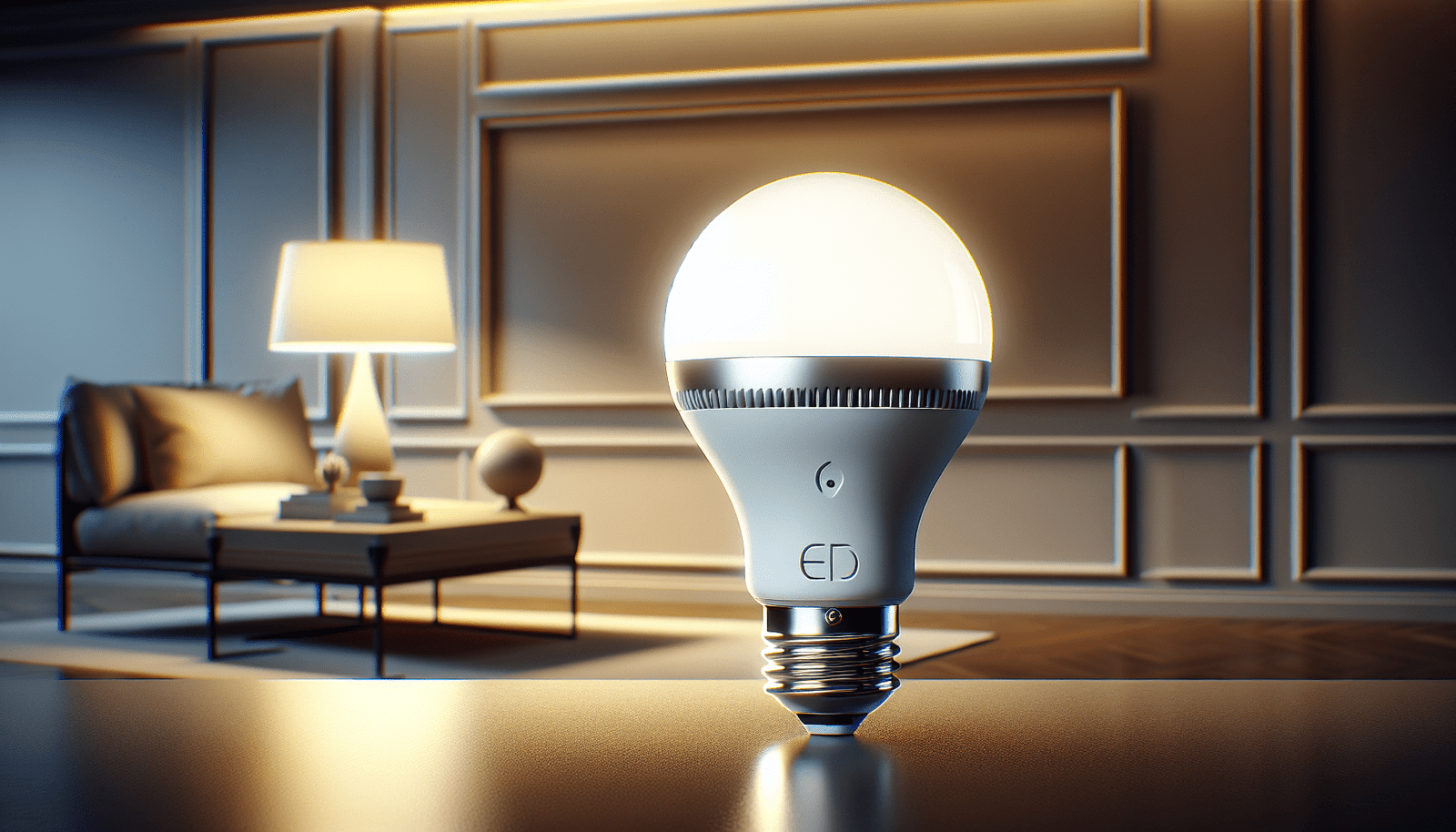
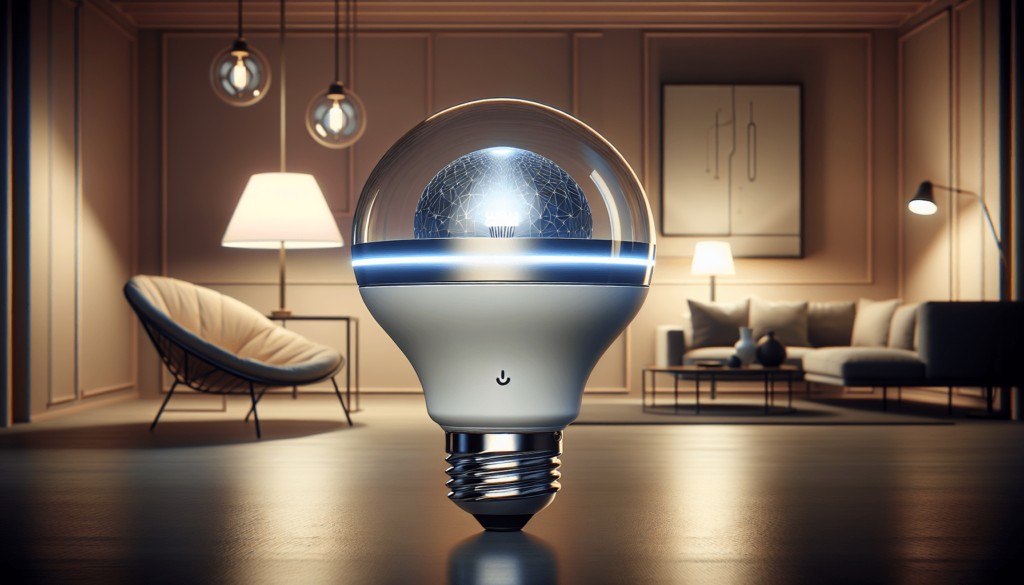
Smart bulbs are an innovative evolution in the world of lighting, combining technology and convenience. Unlike traditional bulbs, smart bulbs can be controlled through a smartphone app or voice commands, providing lighting control at your fingertips.
Connectivity: Wi-Fi, Bluetooth, and Zigbee
A key feature of smart bulbs is their connectivity. Smart bulbs primarily connect to your home network through Wi-Fi, Bluetooth, or Zigbee. Each connectivity option has its own benefits. Wi-Fi-enabled bulbs offer accessibility from anywhere you have an internet connection. Bluetooth bulbs are ideal for smaller setups without a dedicated hub, while Zigbee-based systems can allow for more devices on a single network and can sometimes be more reliable within larger homes.
Features: Dimming, Scheduling, and Color-Changing
One remarkable advantage of smart bulbs is the myriad of features they offer. Many smart bulbs come with dimming options, allowing you to fine-tune the brightness to suit your mood and activity. Scheduling features enable you to automate when your lights turn on and off, helping you save energy and improve security. The ability to change colors can transform your living space into a vibrant and dynamic environment, perfect for setting the ambiance or for entertainment purposes.
Installation and Compatibility: Are They User-Friendly?
The installation and compatibility of smart bulbs are subjects of interest for many homeowners and renters. As straightforward as they can be, there are considerations to keep in mind.
Installing Smart Bulbs in Existing Fixtures
Thankfully, most smart bulbs are designed to fit into standard socket sizes, such as E26 or B22, making them compatible with your existing light fixtures. Installation is generally as simple as screwing in a light bulb.
Do Smart Bulbs Require Additional Hubs?
Some smart bulbs can operate directly via a Wi-Fi connection, negating the need for additional hubs. However, bulbs that use Bluetooth or Zigbee may require a separate hub or bridge to enable you to control them when you are away from home or use them in a broad smart home ecosystem.
Energy Efficiency and Costs: The Real Impact on Your Bills
Making the shift to smart lighting provokes thoughts about energy consumption and costs. Are smart bulbs truly energy-efficient, and do they impact your electricity bills significantly?
Power Consumption: Are Smart Bulbs Energy Savers?
Smart bulbs are typically LED-based, which is known for being far more energy-efficient compared to incandescent or halogen bulbs. They consume less power while providing the same amount of light, which directly translates into energy savings.
Cost Considerations: Long-Term Savings
Although the upfront cost of smart bulbs is generally higher than that of traditional bulbs, the energy savings they offer and their longevity — often lasting 10 to 25 times longer — can offset the initial expenditure over time. Automation features that allow you to switch off forgotten lights further contribute to cost savings.
Automation and Integration: Enhancing Your Smart Home
Integrating smart bulbs into your home automation system amplifies convenience and control. But how do these bulbs interact with other smart devices and systems?
Remote Control and Scheduling
Smart bulbs can be controlled remotely via smartphone apps, granting you the ability to manage your lighting from anywhere in the world. Scheduling ensures your lights are only on when needed, offering customization options that fit your lifestyle.
Integration with Voice Assistants and Home Systems
Smart bulbs can integrate with major voice assistants such as Amazon Alexa, Google Assistant, and Apple HomeKit. This integration allows you to control your lights with simple voice commands. Moreover, they can be part of broader smart home systems, working in unison with other devices like smart thermostats, cameras, and security systems for comprehensive home automation.
Drawbacks and Limitations: What Should You Know Before Deciding?
While smart bulbs offer a plethora of promising features, potential drawbacks and limitations must also be considered.
Wi-Fi Usage and Potential Lag
Reliance on Wi-Fi makes smart bulbs susceptible to network issues. In homes with weak Wi-Fi signals, performance can suffer, leading to lag or disconnection.
Security Implications
As with all smart devices, security is a concern. Ensuring your network is secure, with strong passwords and up-to-date firmware, can mitigate risks associated with unauthorized access.
Power Consumption when “Off”
Some smart bulbs, even when turned “off,” consume a small amount of power due to their always-on connectivity function, although this is typically minimal.
Troubleshooting and Best Practices: Making the Most of Your Smart Bulbs
Ensuring your smart bulbs function optimally includes understanding common issues and best practices.
Addressing Connectivity Issues
The most frequent issue encountered with smart bulbs is loss of connectivity. Ensuring good Wi-Fi coverage and rebooting your router periodically can help maintain stable connections.
Overcoming Power Failures
Smart bulbs typically resume previous settings after a power outage. Yet, should issues arise, re-synchronizing with the app usually resolves these problems.
Smart Lighting Ecosystems: Achieving Seamless Integration
For a cohesive smart home experience, understanding the full gamut of smart lighting ecosystems is vital.
Interaction with Smart Switches, Dimmers, and Hubs
Smart bulbs can work alongside smart switches and dimmers to offer greater lighting flexibility. Using hubs allows for comprehensive control and the integration of various devices in a single platform.
Outdoor and Specialty Uses: Expanding Beyond Indoor Spaces
Beyond illuminating the indoors, smart bulbs also have outdoor and specialty applications that enhance security and functionality.
Outdoor Smart Lighting Solutions
Many smart bulbs are designed specifically for outdoor use, featuring weather-resistant designs to withstand elements. These can be integrated into home security systems, lighting pathways, or illuminating entryways.
Special Applications: Security Lighting
Smart bulbs can integrate with motion sensors for security lighting solutions. Automatically illuminating when movement is detected, they can deter potential intruders and enhance safety.
Exploring Future Trends in Smart Lighting Technology
As technology advances, so does the potential for smart lighting. Future trends point towards a fusion of AI with lighting solutions, offering more intuitive, customizable, and energy-efficient options.
Increased Automation and AI Integration
Automation will become more intricate with the incorporation of Artificial Intelligence, allowing for predictive actions based on routines, preferences, and even real-time data, like the weather.
Sustainability and Green Technology
Future smart bulbs are expected to focus on sustainability, utilizing advanced materials and processes that reduce environmental impact while being even more energy-efficient.
In conclusion, making the switch to smart bulbs doesn’t need anything overly special, but it does require an understanding of their unique attributes and the technology that supports them. Whether you’re a homeowner, renter, or tech enthusiast, smart bulbs offer a step forward in lighting, promising efficiency, convenience, and a touch of modernity to your living spaces. By acknowledging both the advantages and potential drawbacks, you can make an informed decision that aligns with your smart home vision.
Disclosure: As an Amazon Associate, I earn from qualifying purchases.