Have you ever wondered if investing in smart thermostats can truly lower your electric bills? As technologies continue to evolve, the growing interest in smart home innovations has raised questions about their effectiveness and value. For homeowners, tech-savvy individuals, and energy-conscious consumers alike, understanding the role of smart thermostats in energy conservation and financial savings is crucial. This article aims to guide you through various aspects of smart thermostats, including their operational effectiveness, features, and potential to lower your energy expenses.

Understanding Smart Thermostats
Smart thermostats are advanced devices designed to replace traditional thermostats, offering enhanced control over your home’s heating and cooling systems. They come equipped with a multitude of features that can facilitate energy savings, improve comfort, and integrate seamlessly into your smart home ecosystem.
How Do Smart Thermostats Work?
Unlike their conventional counterparts, smart thermostats use sensors, Wi-Fi connectivity, and advanced algorithms to optimize heating and cooling schedules. They are capable of learning your habits, adjusting temperatures based on occupancy and preferences, and offering remote control via smartphone apps. Essentially, they create an intelligent climate control system that maximizes efficiency and comfort.
Key Features of Smart Thermostats
- Learning Capabilities: Some smart thermostats can learn your routine and adjust settings automatically, reducing the need for manual programming.
- Remote Control: With mobile apps, you can adjust settings from anywhere, ensuring optimal comfort upon arrival.
- Energy Tracking: Usage reports help you understand and manage your energy consumption better.
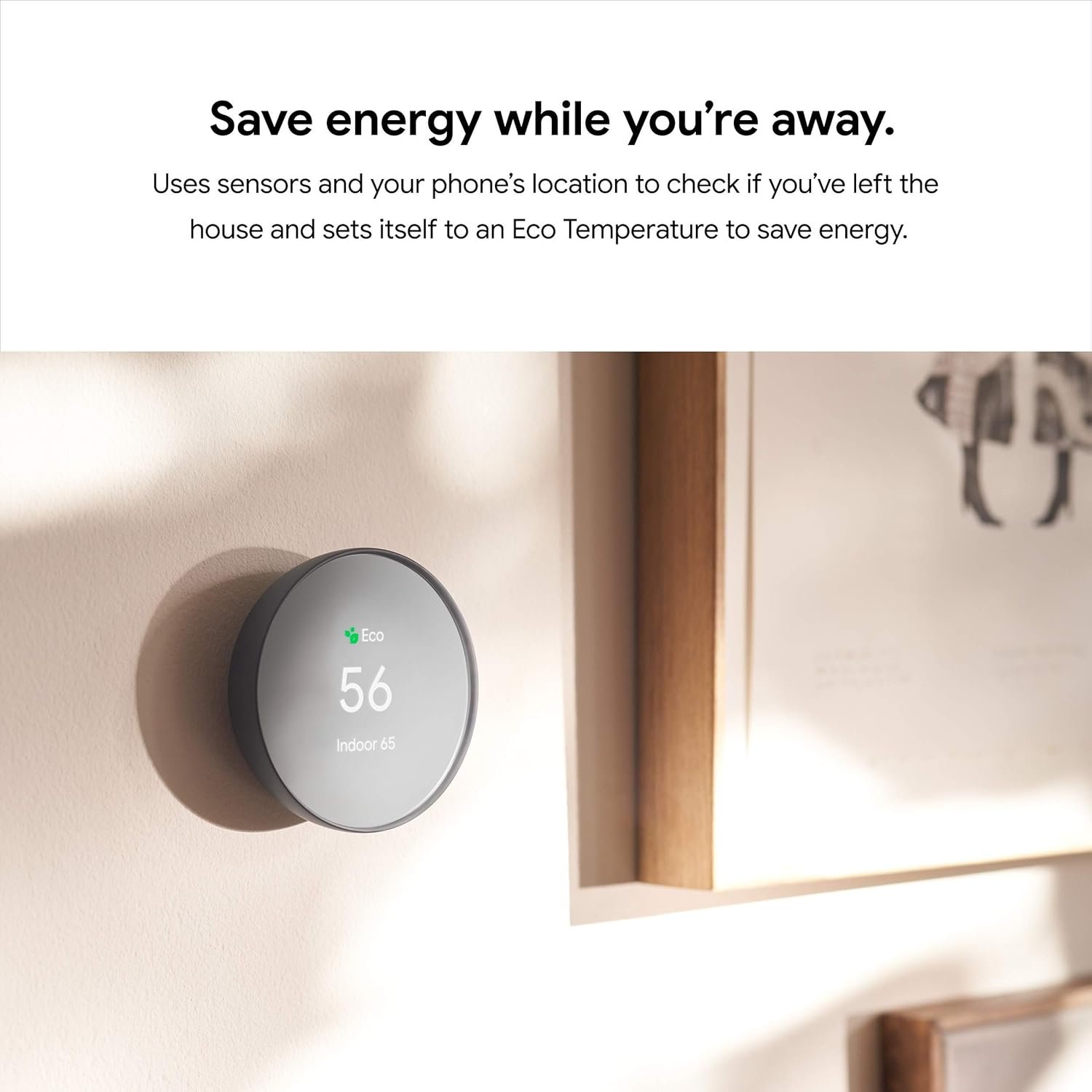
- Geofencing: By using your phone’s location, geofencing adjusts the temperature when you leave or return home, saving energy when the house is unoccupied.
- Voice Control: Integration with voice assistants like Amazon Alexa or Google Assistant provides hands-free control.
Energy Efficiency and Cost Savings
One of the most touted benefits of smart thermostats is their ability to lower energy bills. But how significant are these savings, and are they worth the investment?
Estimating Energy Savings
Smart thermostats have the potential to lower heating and cooling costs by approximately 10-15%. This varies depending on factors such as regional climate, usage habits, and home insulation. For example, in climates with extreme temperatures, the savings could be more substantial.
Identifying Cost-Effective Options
The market offers various models at different price points, each with unique features designed to enhance usability and efficiency. Comparing options based on energy efficiency, upfront cost, and additional features can help ensure you make an economically sound decision.
| Brand | Model | Price Range | Learning Capabilities | Energy Reports | Geofencing |
|---|---|---|---|---|---|
| Nest | Learning Thermostat | $200-$250 | Yes | Yes | Yes |
| Ecobee | SmartThermostat | $200-$350 | Yes | Yes | Yes |
| Honeywell | T9 | $150-$200 | Basic | Yes | Yes |
| Emerson | Sensi Smart | $100-$150 | No | Yes | No |
Available Rebates and Incentives
Many utility companies provide rebates for energy-efficient appliances, including smart thermostats. These incentives can offset the initial purchase price, enhancing the financial feasibility of this investment. Always check with your local energy provider to see if rebates are available in your area.
Comparing Smart Thermostats
With a plethora of smart thermostats on the market, how do you choose the right one? Making an informed decision involves examining the features, compatibility, and user reviews.
Advanced Features
In addition to energy efficiency, smart thermostats offer features that enhance user convenience and control:
- AI Learning: Thermostats with AI capabilities fine-tune settings based on historical data and predictions of future use.
- Multi-zone Control: Enables individual temperature settings for different areas of your home.
- Integration with Smart Home Platforms: Compatibility with existing smart home systems like Apple HomeKit or IFTTT extends functionality.
Troubleshooting and Compatibility
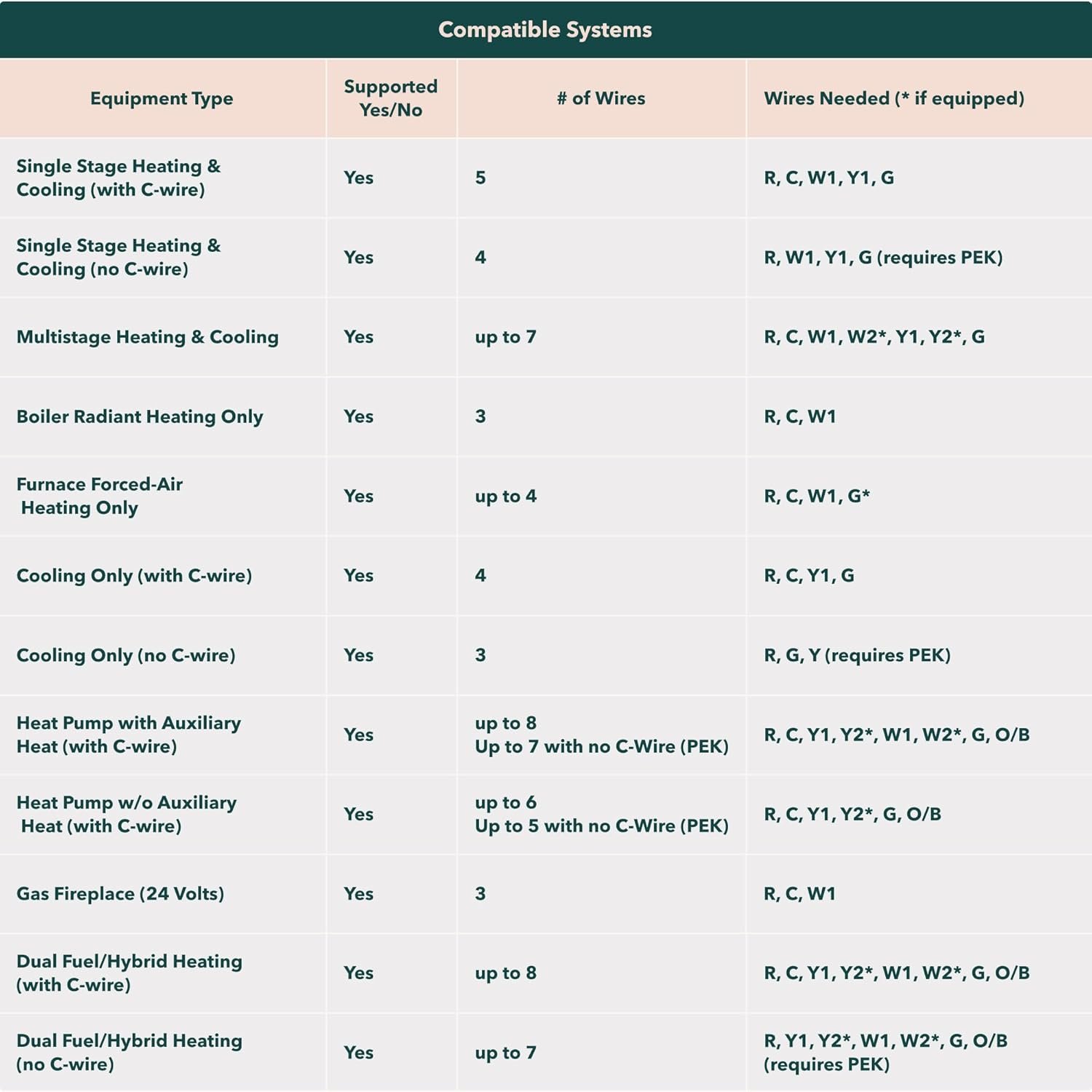
Ensuring that a smart thermostat is compatible with your existing HVAC system is crucial. Most manufacturers provide compatibility check tools online, enabling you to confirm feasibility before purchasing. Installation can typically be tackled as a DIY project, but understanding wiring and system oddities might require professional help.
Installation Guidelines
Installing a smart thermostat can range from straightforward to complex, depending on your HVAC system. A step-by-step approach ensures you cover all bases:
- Turn Off Power: Safety first! Switch off the power to your HVAC system before removal and installation.
- Remove the Old Thermostat: Carefully take out your existing thermostat, observing the wiring configuration.
- Install the New Base Plate: After threading the wires through the new base, attach it securely.
- Connect the Wires: Align old wires to the corresponding terminals on the new base—most models provide detailed wiring diagrams.
- Mount the New Thermostat: Snap the smart thermostat onto the base and turn on the power.
- Configure Settings: Connect to your Wi-Fi network and follow setup prompts on the smartphone app.
Potential Drawbacks
While smart thermostats offer numerous benefits, they may not be suitable for everyone or every home. It’s important to weigh potential disadvantages before making a purchase.
Initial Investment
The upfront cost of smart thermostats can be higher than traditional units. While long-term savings might offset this, budget-conscious individuals must consider whether the investment aligns with their financial goals.
Complexity and Learning Curve
Despite their user-friendly designs, some individuals might find smart thermostats complex or intimidating. Understanding technical aspects and initial setup could require patience and time.
Limited ROI in Certain Homes
Homes with minimal heating and cooling requirements, such as well-insulated or smaller properties, might not experience substantial savings.
Making an Informed Decision
Determining if a smart thermostat is right for you involves assessing your specific needs, preferences, and home conditions.
Assessing Your Needs
- Energy Consumption Goals: Consider if reducing energy bills is a primary objective.
- Lifestyle Alignment: Evaluate whether features like remote control and learning capabilities will enhance your lifestyle.
- Budget Considerations: Balance the cost against potential savings and rebates.
Conclusion
Smart thermostats present a compelling choice for those looking to reduce electric bills and enhance home automation. Through maximizing energy efficiency and providing increased control, these devices hold the promise of smarter living. However, weighing the initial investment against potential savings is vital for a well-rounded decision. By considering your household’s specific requirements and preferences, you can choose a smart thermostat that not only integrates seamlessly into your home but also aligns with your financial and lifestyle goals.

Disclosure: As an Amazon Associate, I earn from qualifying purchases.