Do you find yourself pondering over how to make your kitchen smarter while also being energy-efficient? Smart kitchen devices can transform your culinary space using advanced technology to simplify tasks and reduce energy consumption. Read on to find out how these devices can be the perfect blend of innovation and sustainability in your home.
Understanding Smart Kitchen Devices
Smart kitchen devices are intelligent technologies that connect to your home’s network and can be controlled remotely. Many of these appliances come with integrated sensors, touchscreens, and voice-activated systems to assist you with cooking, meal prepping, and cleaning. Beyond convenience, these devices have the potential to significantly impact how much energy you use at home. They contribute toward creating an eco-friendly lifestyle by optimizing energy consumption, thus reducing your electricity bill.
The Basics of Smart Kitchen Functionality
The primary advantage of smart kitchen devices lies in their ability to communicate with each other and with you. This communication is facilitated through internet connectivity, often via Wi-Fi or Bluetooth. Devices such as smart ovens, refrigerators, and dishwashers can be monitored and controlled through mobile apps or voice assistants like Amazon Alexa or Google Assistant. Imagine preheating your oven on your way home from work or checking the contents of your fridge while grocery shopping—it’s all possible with smart technology!
Types of Smart Kitchen Appliances
Here are some common smart kitchen appliances you might consider for your home:
-
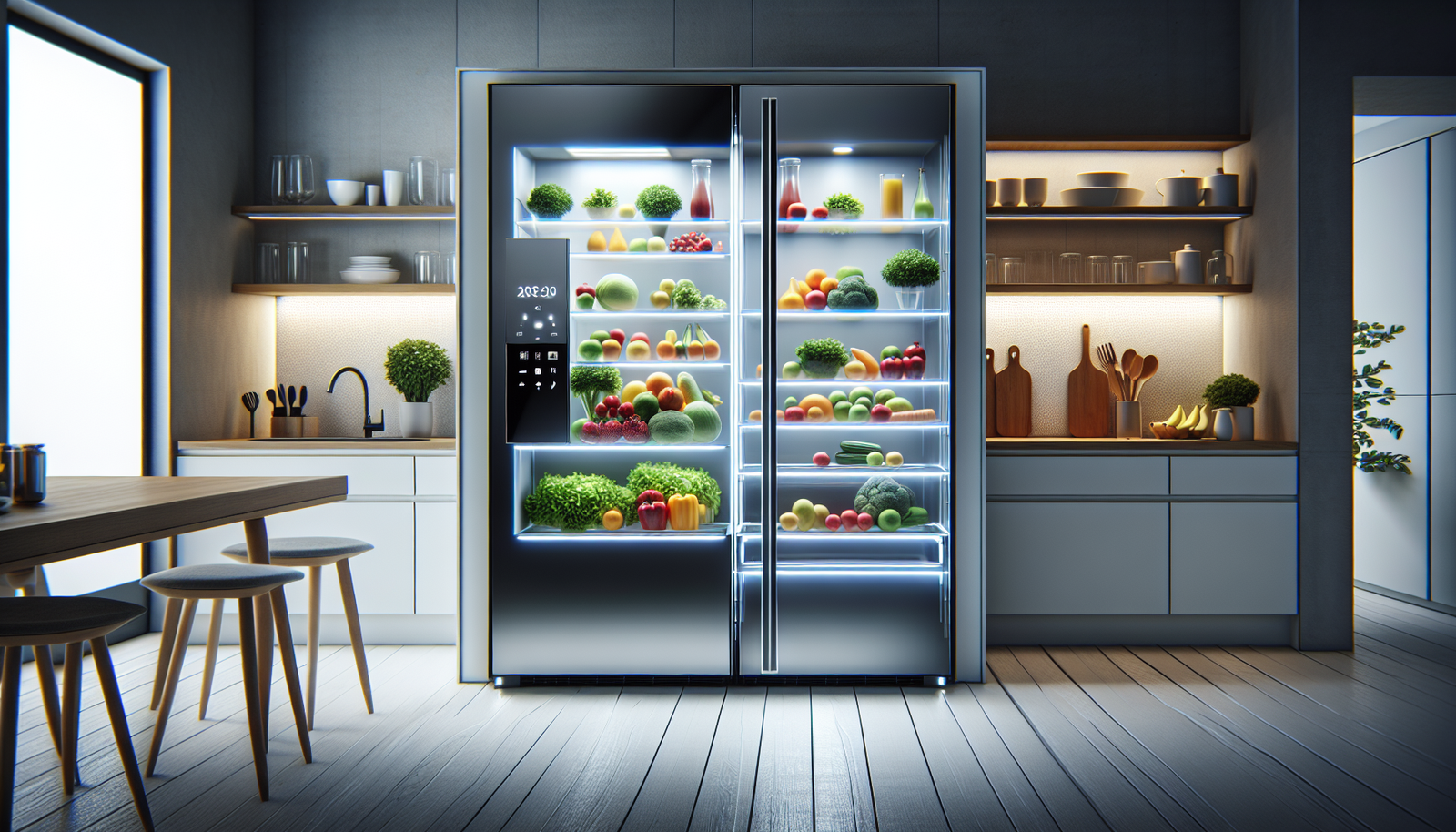
Smart Refrigerators: These often include cameras to help you track the contents without opening the door, thus preventing energy loss. Some models even suggest recipes based on the available ingredients.
-
Smart Ovens and Stoves: These allow you to control cooking temperatures and times remotely and can even adjust settings based on the type of dish you’re cooking.
-
Smart Dishwashers: These come equipped with sensors to determine the optimal wash cycle and time, thus saving water and energy.
-
Smart Coffee Makers: Program your coffee to be ready when you wake up, optimizing the brewing process for energy efficiency.
How Smart Appliances Enhance Energy Efficiency
The innovation in smart kitchen devices isn’t just about connectivity; it’s also about making your home greener. But how exactly do these smart appliances help enhance energy efficiency?
Energy Monitoring and Consumption Alerts
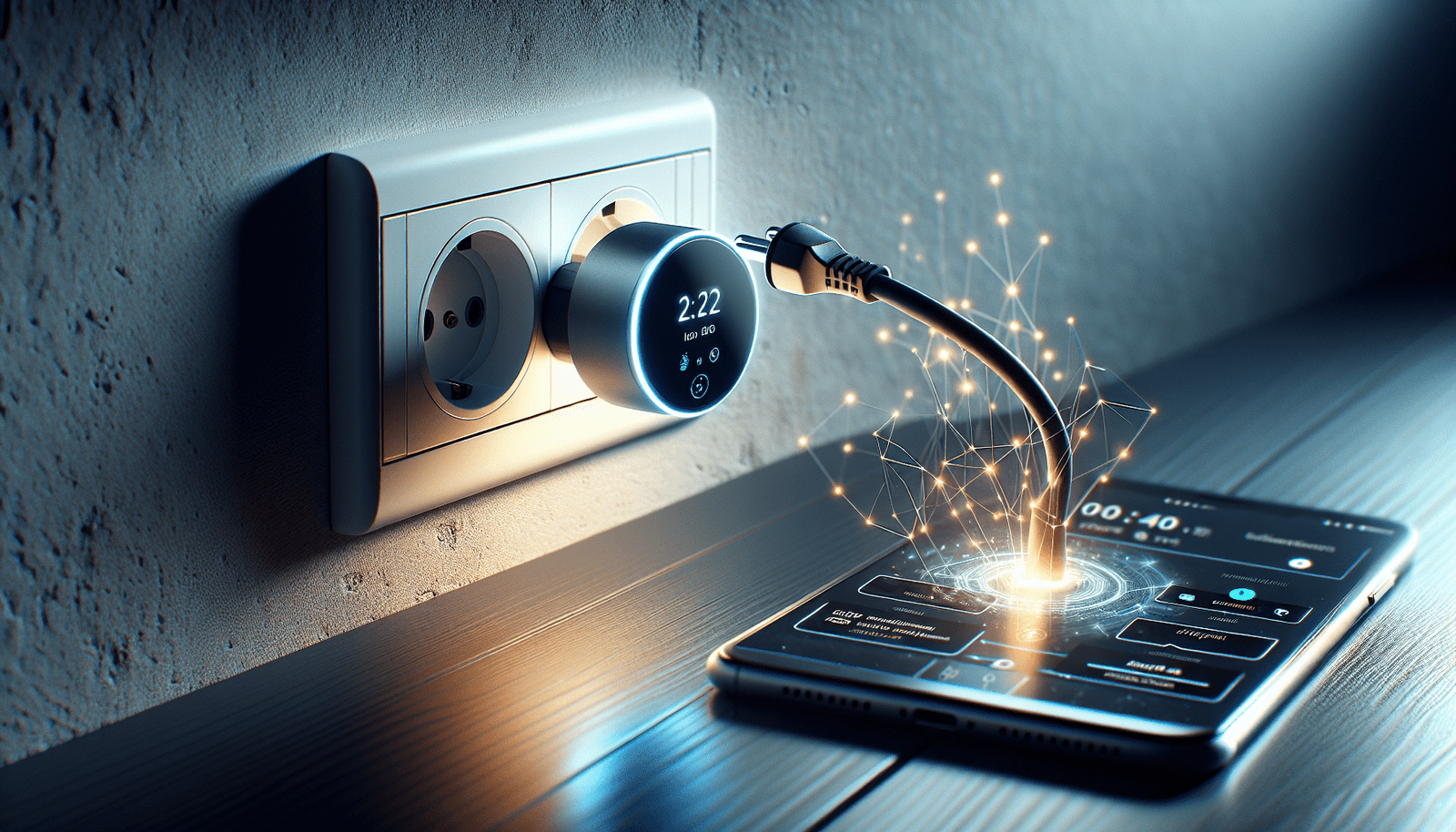
Most smart appliances come with the capability to monitor their energy usage. By using their associated apps, you can view the amount of energy consumed and adjust your habits accordingly. Some devices send alerts if they’re using more electricity than usual, allowing you to take immediate action to mitigate unnecessary consumption.
Efficient Resource Utilization
Smart dishwashers and washing machines optimize water and energy usage by calibrating cycles according to the load size and dirt level. This customized operation ensures minimal resource waste.
Scheduling and Timing Functions
Timing is everything in cooking. Smart Ovens have scheduling features that allow you to program cook times so energy is used only when you need it. Whether it’s a delayed start or auto shut-off function, these features help in saving electricity by preventing overuse.
Temperature Control
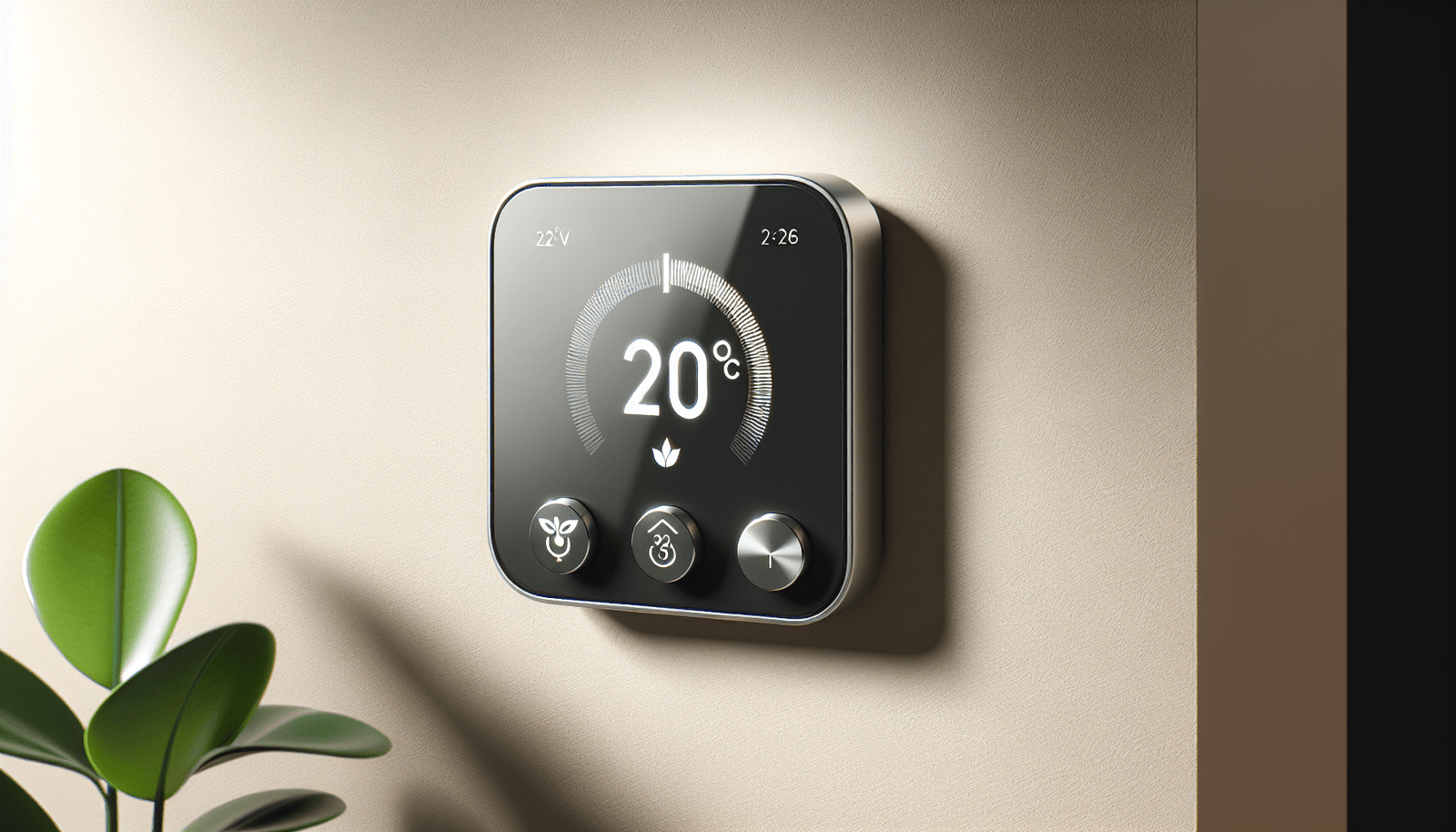
Smart refrigerators and ovens maintain precise temperature settings, ensuring that food is stored and cooked under optimum conditions without excess energy expenditure.
Setting Up Your Smart Kitchen
If you’re excited about the prospect of a smart kitchen but unsure where to start, you’re in the right place. Integrating smart devices into your kitchen isn’t just about buying appliances; there’s also an element of system setup and connectivity involved.
Simple Steps for Setting Up
-
Evaluate Needs: Start by identifying the appliances that will benefit from smart technology. If you cook frequently, a smart oven may be a priority; if your primary concern is spoilage, a smart fridge is your answer.
-
Check Compatibility: Ensuring that your new devices are compatible with existing smart systems like Google Home or Amazon Echo will provide seamless integration.
-
Install Necessary Apps: Most smart devices require companion apps for control and monitoring. Download these apps and sync them with your appliances.
-
Network Connectivity: Reliable Wi-Fi is a must for smart kitchens. Make sure your router can handle the additional devices, or consider upgrading if you experience connectivity issues.
-
Explore Voice Controls: Consider installing virtual assistant technology, such as Alexa or Google Assistant, for added convenience. This allows hands-free control of your devices.
Integrating with Renewable Energy
To further amplify energy efficiency, consider integrating your smart kitchen with renewable energy. Installing solar panels or using a solar grid can make your smart appliances run on cleaner, sustainable energy, providing long-term cost savings and environmental benefits.
Importance of Automation
Automation is central to maximizing the potential of your smart kitchen. Set routines through your devices to automate the operation of various appliances. For example, you can create morning routines to automatically start your coffee maker and toaster at a specified wake-up time.
Measuring the Real Benefits of Smart Kitchen Devices
You might wonder how smart kitchen appliances equate to tangible benefits. Here’s a breakdown of the advantages to keep in mind:
Energy Savings and Cost Efficiency
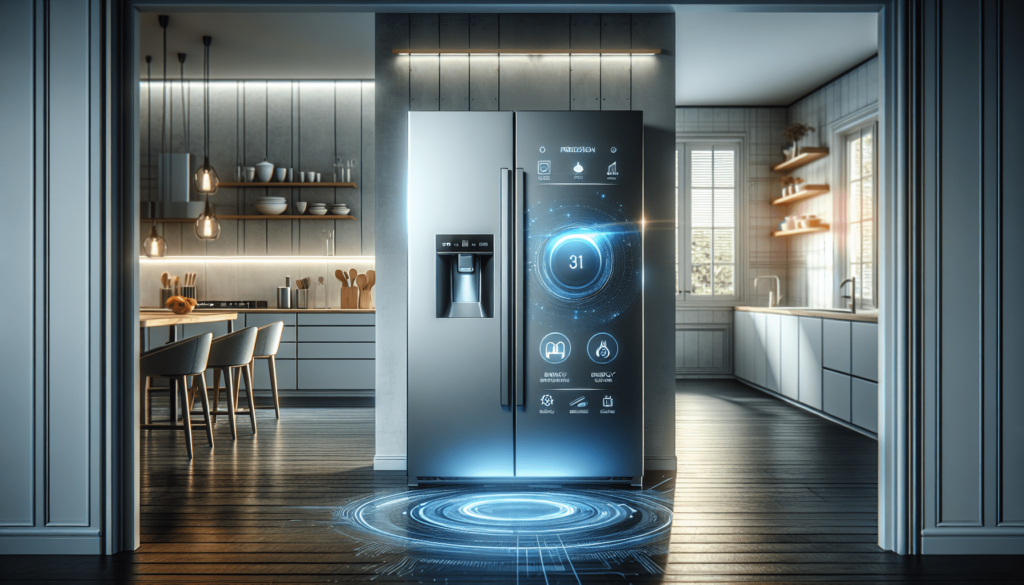
In the long run, smart kitchen devices can lead to significant energy savings. By optimizing their operation, these appliances reduce unnecessary energy consumption. For instance, a smart refrigerator might save energy by adjusting its internal temperature during hours of low usage. This adjustment not only conserves energy but also cuts down on utility costs.
Enhanced Convenience and Management
Convenience is one of the most highlighted features of smart kitchen devices. With advanced technology, you can manage your kitchen from virtually anywhere. This means less time spent hovering over the stove or checking on a dish—your smart device sends updates and alerts instead.
Improved Food Safety
Smart refrigerators can track the expiration dates of stored food and notify you, reducing the risk of consuming spoiled goods. Some models even suggest recipes based on what needs to be used soon, minimizing food waste.
Environmental Impact
Adopting smart devices in your kitchen contributes to a more sustainable lifestyle. These appliances use resources more efficiently, thus reducing your carbon footprint. By choosing energy-efficient options, you greatly contribute to preserving the environment for future generations.
Future Trends in Smart Kitchens
Technology evolves at a remarkably fast pace, and smart kitchens are no exception. Staying informed about upcoming trends ensures that you make wise, future-ready purchasing decisions.
AI and Machine Learning
Artificial Intelligence is gradually making its mark in smart kitchens. With AI, your kitchen appliances can learn your habits and preferences, adapting their functions for optimized performance. Imagine a fridge that suggests meals based on your dietary preferences, or an oven that recognizes your cooking patterns and adjusts accordingly.
Augmented Reality (AR)
Augmented reality can revolutionize how you interact with your kitchen. From virtual cooking assistants to interactive recipe guides projected on your kitchen counter, AR can provide a whole new dimension to cooking.
5G Connectivity
With the introduction of 5G, appliance connectivity will be even faster and more reliable. This ensures a seamless integration experience no matter how many smart appliances you intend to use.

Troubleshooting and Maintenance
Ensuring your smart kitchen appliances stay in good shape is essential to reap continuous benefits. Like any technology, they can run into hiccups, but knowing common issues and troubleshooting methods can save time and money.
Regular Maintenance Tips
-
Software Updates: Always keep your devices and apps updated to the latest version for improved functionality and security.
-
Clean Regularly: Dust and grime can affect the performance of sensors and touchscreens. Regular cleaning minimizes this risk.
-
Secure Connections: Ensure your devices have strong and stable Wi-Fi connections for optimal performance.
Troubleshooting Common Issues
-
Connectivity Problems: If your device loses connection, check your network settings and ensure all software updates are complete.
-
Device Malfunctions: In case of a malfunction, restarting the device or resetting it to factory settings might resolve the issue.
-
App Glitches: Uninstall and reinstall the app if you face consistent bugs or lags.
Cybersecurity Concerns
Smart devices add a new layer of potential security risks due to their connectivity. Protect your smart kitchen by using strong, unique passwords for all your devices and regularly updating security features. Consider setting up a separate network for your smart appliances to minimize potential cyber threats.
Making An Informed Decision
Before making any purchases, remember that every household has unique needs and preferences. Consider the features that would be most beneficial to your lifestyle. Whether you’re prioritizing energy efficiency or seeking the latest kitchen tech, ensure your smart devices align with your budget and requirements. Finally, read reviews and seek recommendations to make well-rounded decisions.
Adopting smart technology in your kitchen can lead to a more convenient, cost-efficient, and environmentally responsible lifestyle. You’re not just upgrading your gadgets; you’re paving the way for a modern, sustainable home. So, gear up to transform your cooking space and enjoy the myriad benefits that smart kitchen devices offer.

Disclosure: As an Amazon Associate, I earn from qualifying purchases.