Have you ever wondered whether smart thermostats come with a monthly fee attached? As technology continues to transform our homes into sophisticated hubs of comfort and efficiency, smart thermostats have become a focus for many homeowners, renters, and tech enthusiasts. They promise not only the convenience of adjusting your home’s temperature with a smartphone app but also potential cost savings on energy bills. However, understanding the full cost of integrating a smart thermostat into your home is essential. This article explores this question, providing insights into the upfront and ongoing costs, potential savings, installation, and more.

Understanding What a Smart Thermostat Is
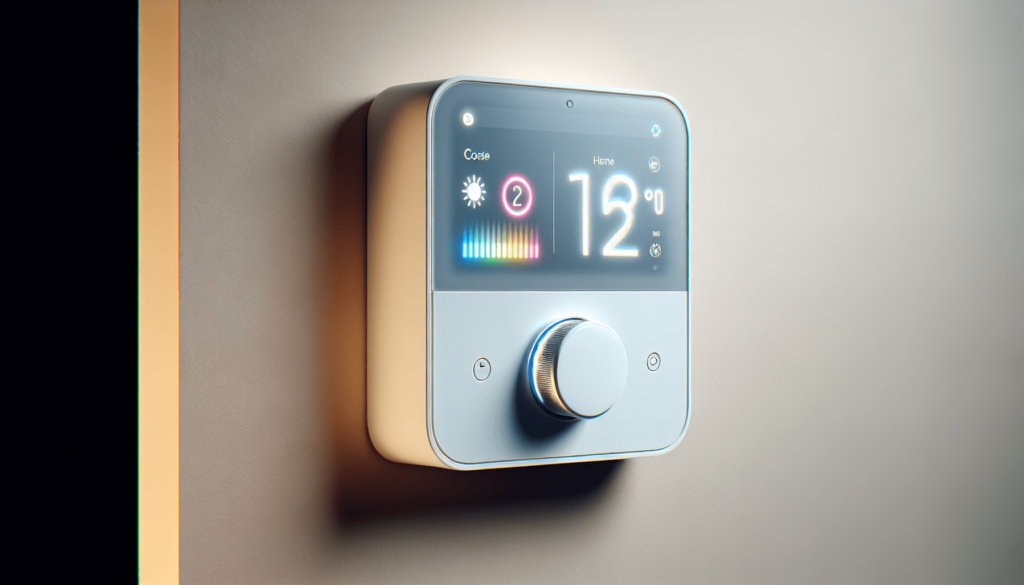
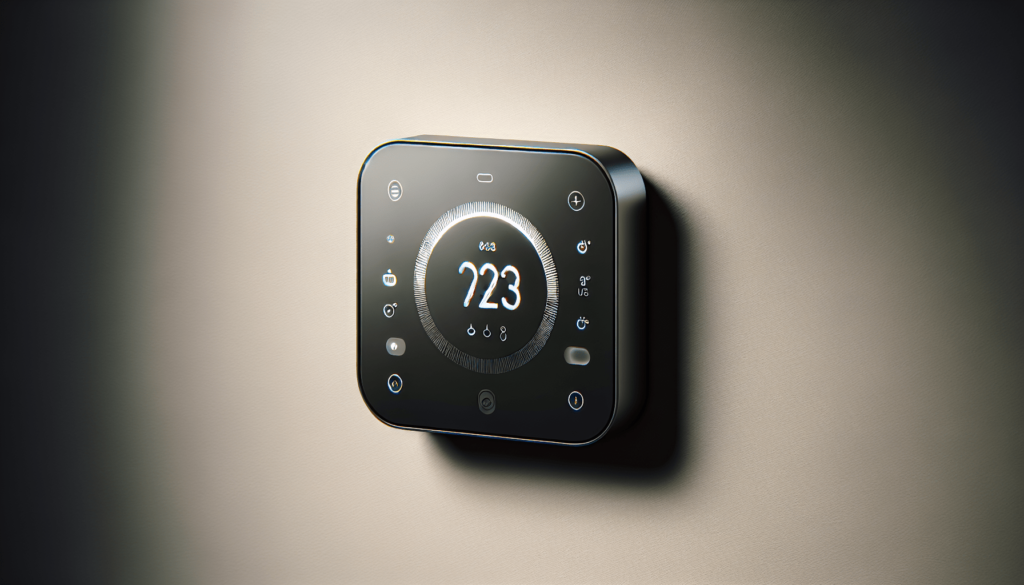
A smart thermostat is a device that controls a home’s heating, ventilation, and air conditioning (HVAC) system from a central, internet-connected point. These gadgets are smarter than traditional thermostats because they can learn your schedule, adjust temperatures based on your preferences, and even integrate with other smart home devices. But, before diving into the costs, let’s examine how they function and what makes them a desirable upgrade for many homes.
How Smart Thermostats Work
Smart thermostats communicate with your home’s HVAC system to control the climate based on your settings and data collected over time. They operate through sensors and Wi-Fi connectivity, allowing you to control them remotely via a smartphone app or a web portal. Features such as scheduling, geofencing, and learning algorithms enable these devices to adjust heating and cooling more efficiently, potentially reducing your energy consumption.
The Benefits of a Smart Thermostat
The main benefits of smart thermostats include energy savings, enhanced comfort, and increased convenience. By intelligently managing your home’s temperature, smart thermostats can cut unnecessary heating or cooling, significantly lowering your energy bills. Additionally, they offer comfort through precise climate control and the added convenience of managing your system remotely or through smart home assistants.
Cost Factors of Smart Thermostats
While smart thermostats are never typically associated with a monthly fee, costs do arise in several other areas, primarily during the initial purchase and installation. Additionally, ongoing savings and costs such as energy consumption changes and replacement features may affect your total expenditure.
Initial and Installation Costs
Smart thermostats range in price from around $100 to $300, depending on the model and its available features. Self-installation is possible for those with a basic understanding of electrical systems, potentially saving on professional installation costs, which can add an additional $100-$200.
Potential Additional Costs
While there is no direct subscription fee for using the basic features of a smart thermostat, some brand-specific add-ons or advanced features might require subscriptions, like enhanced analytics or professional monitoring services. However, these are entirely optional and not necessary for the primary functions of the thermostat.
Cost Savings Through Energy Efficiency
The main financial advantage of using a smart thermostat lies in its ability to reduce energy consumption. According to various studies, homeowners can save between 10-15% on heating and cooling bills by using smart thermostats. These savings, over time, can compensate for the initial outlay and make your investment highly worthwhile.
Features and Advanced Capabilities
The more advanced a thermostat’s features, the higher the possibility of reducing costs through energy management, while providing enhanced user experience.
Learning Algorithms and AI
Certain smart thermostats have built-in learning capabilities that analyze your daily routines and adjust temperatures accordingly. This AI-driven functionality can maximize energy savings by ensuring optimal usage of heating and cooling systems without compromising on comfort.
Geofencing and Remote Access
Geofencing allows your smart thermostat to automatically adjust the temperature when it detects you are close to home. Additionally, remote access means you can modify your home’s climate controls from anywhere, ensuring energy isn’t wasted while you’re away.
Integration with Smart Home Systems
Integration capabilities with systems such as Google Assistant, Amazon Alexa, or Apple’s HomeKit offer hands-free operation and seamless coordination with other devices, creating a truly smart living environment.
Choosing the Right Smart Thermostat for Your Home
Identifying the best model for your needs involves considering various factors including price, compatibility, and features to ensure they meet your home requirements.
Comparing Thermostat Models
When deciding on a model, you should consider not only your budget but also the energy savings it offers and the features you desire. Here’s a comparison of some popular models:
| Model | Price Range | Energy Savings Potential | Noteworthy Features |
|---|---|---|---|
| Nest Learning Thermostat | $250-$300 | 10-15% saving on energy bills | Learning algorithm, Google Assistant integration |
| ecobee SmartThermostat | $250-$280 | Excellent savings reported | Built-in Alexa, room sensor support |
| Honeywell Home T9 | $180-$200 | 10-20% savings | Geofencing, wireless accessory support |
Considerations for Renters and Budget-Conscious Users
Renters need to consider the ease of installation and removal, whereas budget-conscious users may focus on lower priced models that offer essential energy-saving features without unnecessary bells and whistles.
Evaluating Features: Needs vs. Wants
While feature-rich models may be appealing, it’s crucial to distinguish between essential and luxury features. For example, while learning algorithms are beneficial for energy savings, some consumers may not need voice assistant integration.
Installation and Troubleshooting
Once you choose a smart thermostat that fits your needs, the next step is installation. DIY enthusiasts often champion the self-install method, but professional help might be necessary for certain systems.
DIY Installation Guide
Installing a smart thermostat can be straightforward, but it requires certain tools and precautions. Here are basic steps to guide you through:
- Power Off: Turn off power to your HVAC system at the breaker box.
- Remove Old Thermostat: Detach the existing thermostat carefully, noting how the wires are connected.
- Install Smart Thermostat Base: Attach the smart thermostat’s base to the wall and connect the wires to the corresponding terminals.
- Power On: Restore power to the HVAC system and follow the manufacturer’s guide for setup on the app.
Professional Installation
Hiring a professional offers peace of mind and ensures correct installation, particularly when dealing with complex HVAC systems or systems that require compatibility checks with the smart thermostat.
Troubleshooting Common Issues
Potential issues can arise such as connectivity problems or thermostat not holding a charge. Most issues can be solved by resetting the device, ensuring a stable Wi-Fi connection, or through manufacturer support tools.
Potential Drawbacks
While smart thermostats offer distinct advantages, they may come with some drawbacks, requiring potential users to weigh these factors.
Initial Investment vs. Long-Term Savings
The upfront cost can be a barrier for some consumers, although eventual energy savings typically offset this over time. Understanding the long-term financial picture is essential before deciding to upgrade.
Privacy Concerns
As with any connected device, privacy and data security are considerations. Thus, examining the data policies of manufacturers and taking precautions like securing your Wi-Fi network are advisable steps.
Rebates and Incentives
Many utility companies provide incentives for installing energy-efficient devices, including smart thermostats. It’s worth exploring these options which can reduce the initial cost and enhance the smart thermostat’s value proposition.
How to Take Advantage of Rebates
Research available rebates by contacting your local energy provider or checking online databases to see if you qualify. These can sometimes cover a significant portion of your initial purchase cost, and they also encourage positive energy consumption behaviors.
Conclusion
A smart thermostat does not inherently come with a monthly fee, making it an appealing option for homeowners and renters aiming to enhance comfort and save on energy costs. By considering initial costs, potential savings, and various features, you can make an informed decision about integrating a smart thermostat into your home. Whether you aim to cut utility bills or improve home automation, these devices can be a valuable addition to your modern living environment, provided they align with your needs and lifestyle.

Disclosure: As an Amazon Associate, I earn from qualifying purchases.