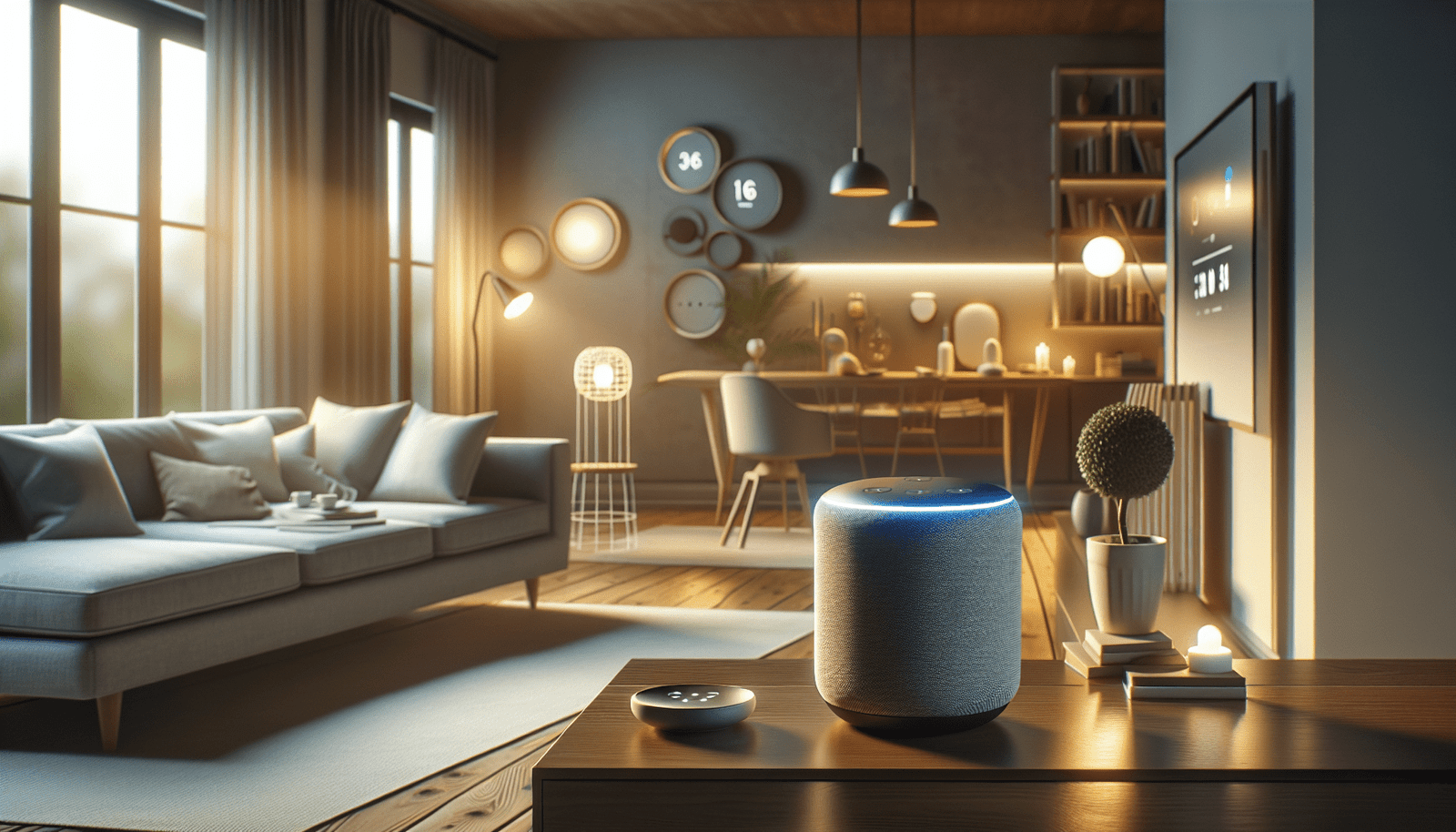
Have you ever wondered just how seamlessly your home can function with the aid of modern technology? The question, “Can smart home devices be integrated with voice assistants?” opens up a world of possibilities, making your living space not just intelligent, but incredibly convenient. Turning your home into a smart home isn’t just about adding gadgets; it’s about creating an ecosystem that enhances your lifestyle.

Understanding Smart Home Technology
Smart home technology refers to devices and systems that are connected to the internet and can be controlled remotely. This includes everything from lights and thermostats to security systems and appliances. These devices can communicate with each other, allowing for automation and streamlined control, often through your smartphone or a central hub.
Defining Smart Home Devices
Smart home devices range from the simple to the complex, often starting with basic automation such as smart bulbs or plugs, then scaling up to include more sophisticated systems like smart security cameras and thermostats. These gadgets aren’t just designed to impress your tech-savvy friends; they aim to offer greater convenience, improved energy efficiency, and enhanced security for your home.
The Role of Voice Assistants
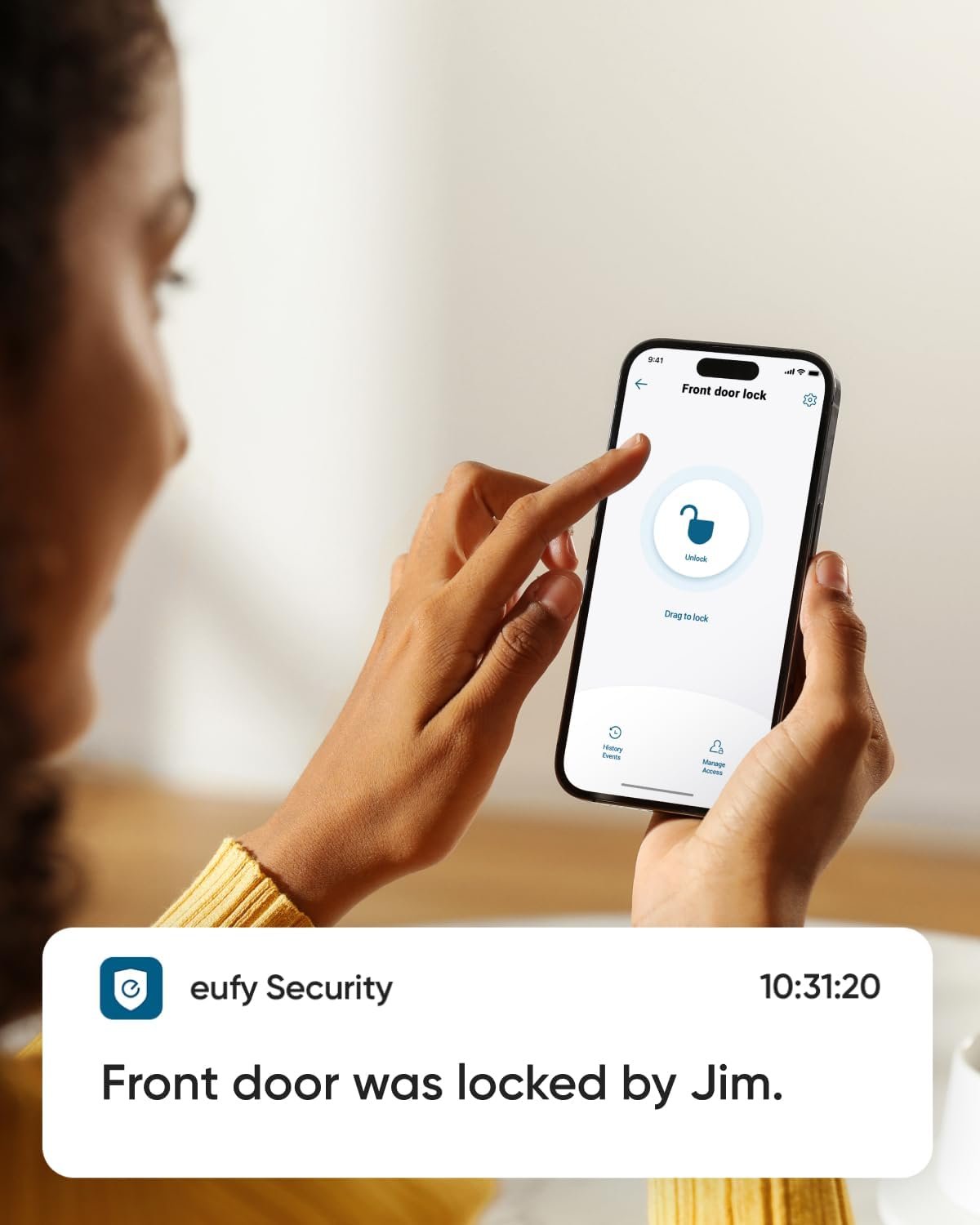
Voice assistants, such as Amazon Alexa, Google Assistant, and Apple’s Siri, act as the verbal interface between you and your smart home system. They enable you to control various devices using nothing more than your voice. Imagine dimming the lights, adjusting the thermostat, or checking who’s at the door without lifting a finger—this is the magic of voice-enabled control.
Cost and Value Considerations
When contemplating the integration of smart devices with voice assistants, it’s essential to weigh the costs against the benefits. Initial expenses may be higher than traditional setups, but the long-term savings and convenience often justify the investment.
Initial Installation Costs
Installing a smart home system usually involves purchasing compatible devices, a hub (if needed), and typically a voice assistant. Depending on the scale of integration, costs can range from a few hundred to several thousand dollars. However, options are available for every budget, and basic setups can be quite affordable.
Long-Term Savings and ROI
Smart devices are designed to optimize energy usage, potentially leading to significant savings on utility bills. For example, a smart thermostat can learn your schedule and adjust the temperature accordingly, reducing unnecessary heating or cooling. Over time, these savings can offset the initial installation costs, providing a return on investment through reduced energy expenditures.
Practical Setup Guides
Setting up smart home devices might seem daunting at first, but with clear instructions, you can transform your home with relative ease.
Step-by-Step Device Integration
Here’s how you can begin integrating smart devices with a voice assistant:
-
Choose Your Ecosystem: Decide whether you want to use Alexa, Google Assistant, or Siri. This choice will guide your selection of compatible devices.
-
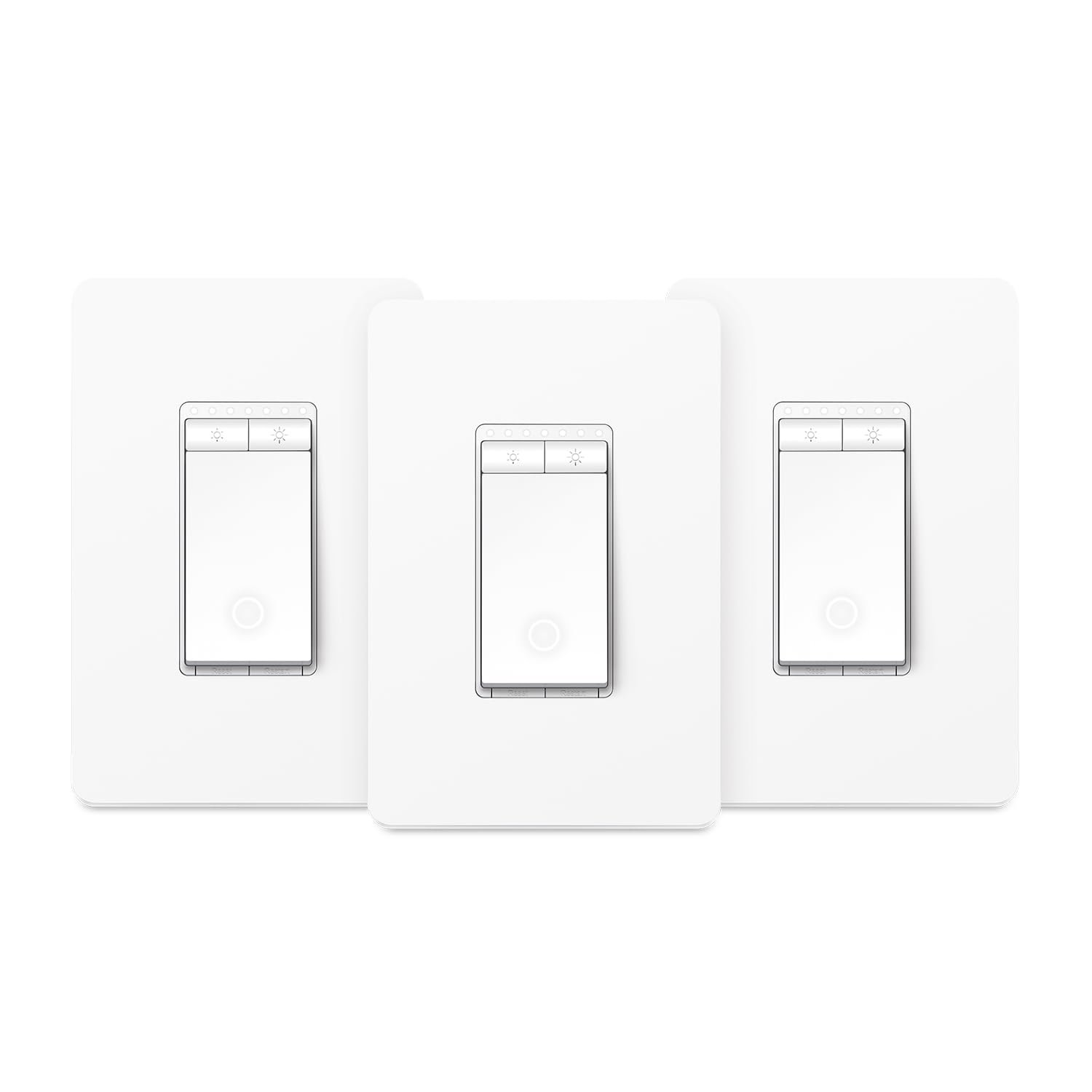
Select Your Devices: Start with essential devices that offer the most impact, such as smart lights, locks, and thermostats.
-
Set Up a Central Hub (optional): If you’re using multiple devices from different brands, a central hub can help streamline control.
-
Install Your Devices: Follow the manufacturer’s instructions to install and connect each device to your home’s Wi-Fi network.
-
Enable Voice Control: Use the corresponding app for your voice assistant to connect and control each device verbally.
-
Customize Automation: Set up routines or schedules in the voice assistant’s app to automate tasks, like turning off lights at bedtime.
Troubleshooting Common Issues
Some common challenges might include connectivity issues or compatibility mismatches. Ensure your Wi-Fi network is stable and carefully check device specifications to ensure compatibility with your chosen voice assistant. If problems persist, refer to the manufacturer’s support resources or consider reaching out to professional installers.
Security and Privacy Factors
While smart home devices offer convenience, they also come with privacy concerns. Understanding these risks and how to mitigate them is crucial for maintaining a secure smart home.
Potential Risks
The primary concerns involve data security and privacy. Smart devices can be vulnerable to hacking, potentially exposing sensitive information or compromising security. Additionally, voice assistants continuously listen for their activation command, which may raise privacy concerns for some users.
Safety Features and Best Practices
To safeguard your smart home system, follow these best practices:
- Use Strong, Unique Passwords: Ensure each device and account is protected with strong passwords.
- Enable Two-Factor Authentication: This adds an additional layer of security to your accounts.
- Regularly Update Devices: Keep all firmware and software up to date to protect against known vulnerabilities.
- Review Privacy Settings: Regularly audit and adjust privacy settings according to your comfort level, particularly for devices that record audio or video.
Energy Efficiency and Sustainability
One of the significant advantages of integrating smart home devices is their contribution to energy efficiency. By intelligently managing energy use, these systems can help reduce your carbon footprint and promote a sustainable lifestyle.
Smart Thermostats
A smart thermostat optimizes heating and cooling based on your schedule and preferences, reducing wastage and conserving energy. Some models even offer insights into your usage patterns, allowing you to make informed adjustments for further savings.
Smart Lighting Solutions
LED bulbs significantly reduce energy consumption compared to traditional incandescent bulbs. When integrated with a voice assistant, you can automate them to turn off when not in use, further enhancing efficiency.
Future-Proofing and Innovation
As technology evolves, so too do the capabilities of smart home devices. Staying informed about emerging trends can help you future-proof your home and maximize the benefits of your smart technology investments.
Emerging Trends
The future of smart home technology looks promising with innovations that include:
- AI-Powered Predictive Automation: Imagine a home that anticipates your needs, performing tasks such as brewing coffee as you wake or locking doors when you leave.
- Inter-device Communication: Devices will increasingly communicate with each other directly, creating a more cohesive and intuitive system.
- 5G Integration: Faster connectivity will enhance device response times and support more robust systems.
Making Informed Decisions
When considering future upgrades, evaluate how new technology aligns with your current system and lifestyle needs. Balance the benefits of cutting-edge gadgets with considerations for compatibility and potential obsolescence.
Compatibility and Connectivity
Ensuring that your devices communicate effectively is paramount for a seamless smart home experience. Understanding the intricacies of compatibility and connectivity helps you avoid frustration and realize the full potential of your setup.
Understanding Device Compatibility
Not all devices work seamlessly with every voice assistant. Before purchasing, verify device compatibility to ensure they can be controlled via your chosen platform. Manufacturers often list this information prominently, aiding your decision-making.
Connectivity Considerations
Stable internet connectivity is fundamental for smart home devices. A robust Wi-Fi network or, for some devices, a reliable Ethernet connection will ensure consistent performance. If your home is large, consider mesh networking systems to extend coverage throughout the premises.
Addressing Common Questions and Misconceptions
Despite the benefits, misconceptions about smart home technology persist, potentially deterring some from embracing it. Here, you can address frequently asked questions and dispel myths.
Are Smart Homes Really Secure?
While no system is entirely invulnerable, following recommended security practices can make smart homes secure. Employing updates, strong passwords, and vigilant monitoring keeps your devices safe.
Is Smart Technology Worth the Investment?
For many, the convenience, energy savings, and enhanced security justify the cost of smart technology. Evaluate your unique needs and budget to determine the value for your situation.
Will Devices Become Obsolete Quickly?
Tech evolves rapidly, but smart home devices often receive updates to keep them functional. Investing in renowned brands typically ensures more extended support and compatibility with new technologies.
Conclusion: Your Smart Home, Your Way
Integrating smart home devices with voice assistants opens a gateway to a more convenient and efficient lifestyle. By understanding the technological landscape, considering costs, and following best practices, you can build a smart home ecosystem that meets your needs and adapts to future innovations. Embrace the potential of smart technology and discover how it can transform your daily routines for the better.